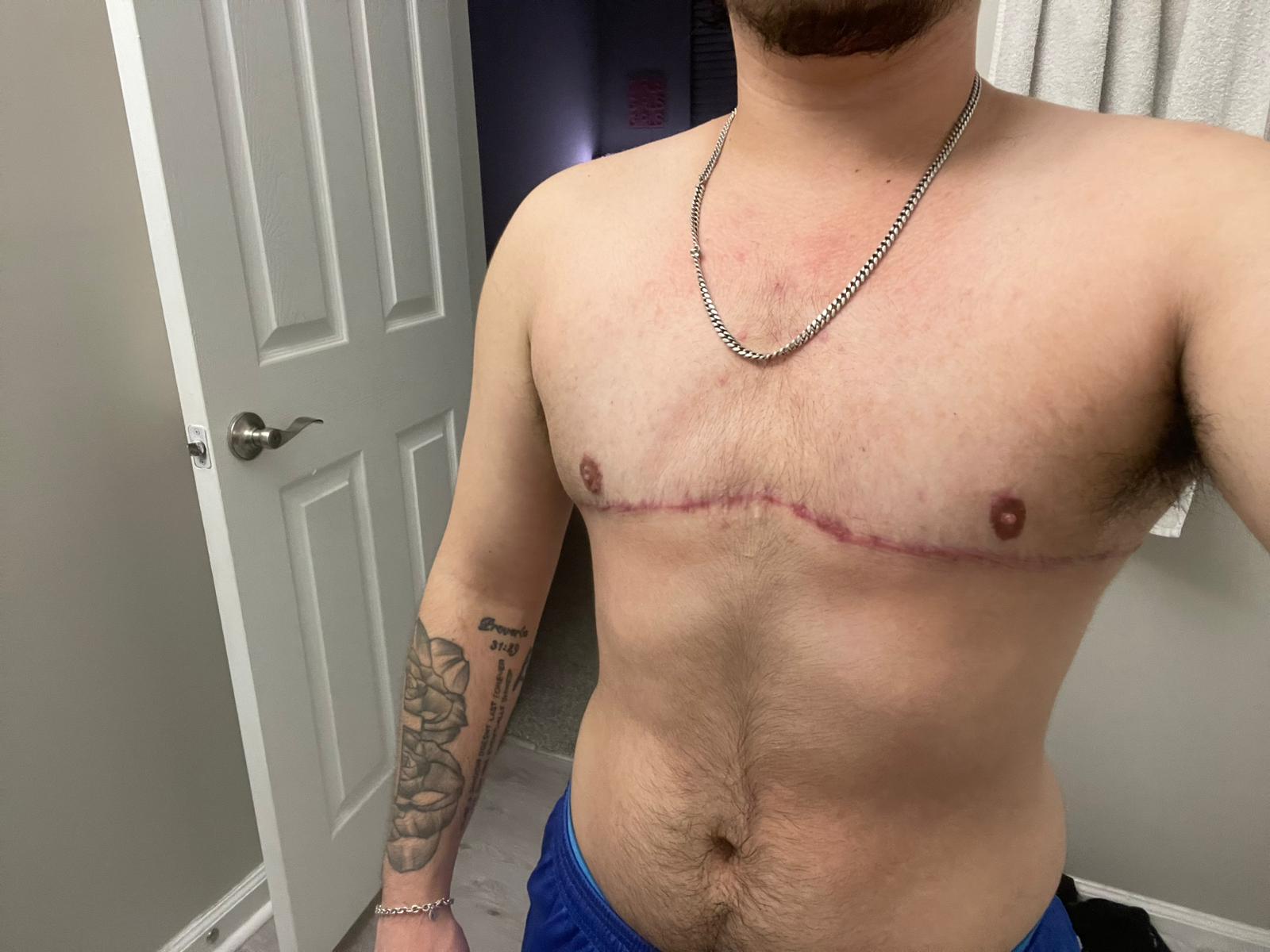
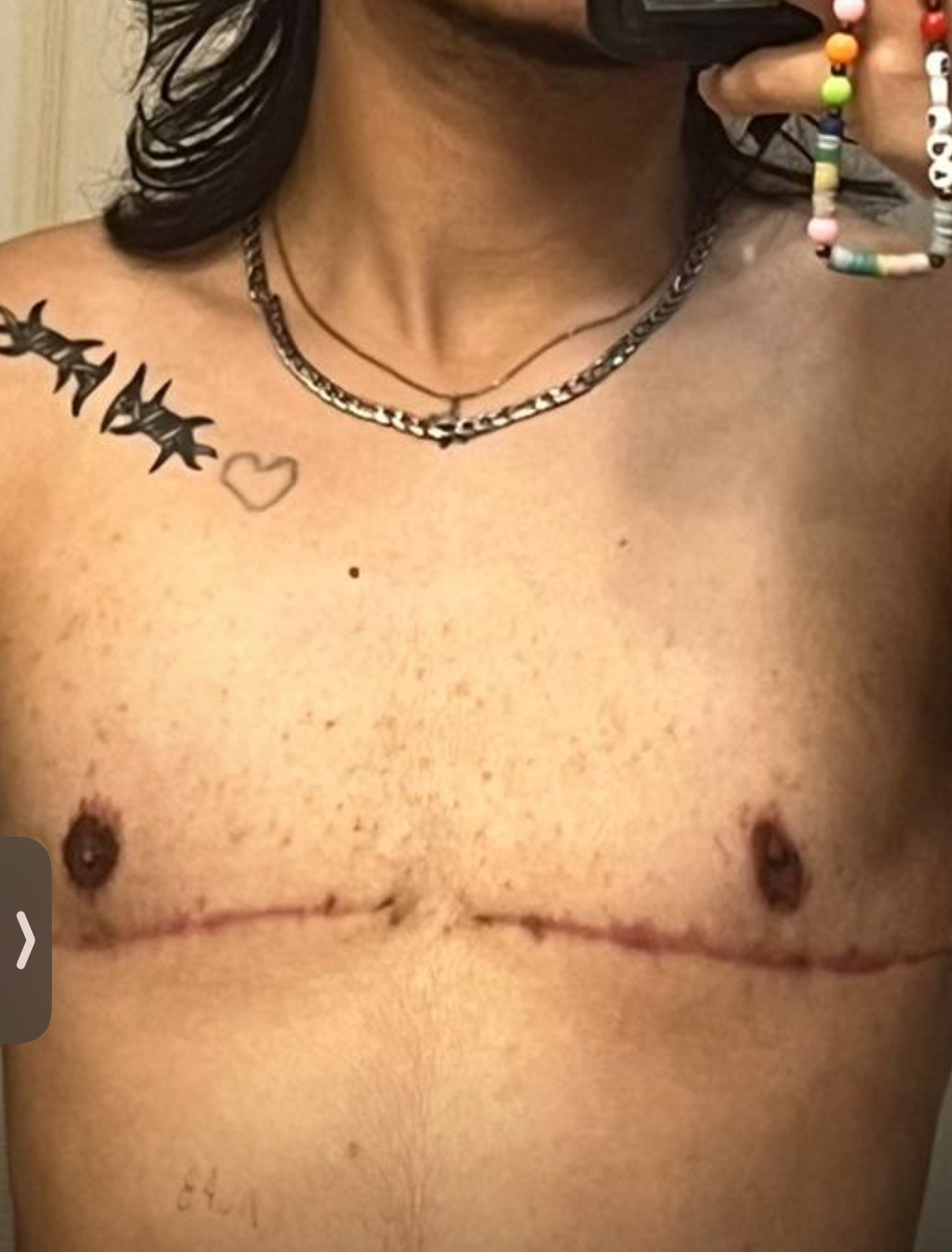
"One of the very few clinics in the world that offer this type of surgery - and at a cost I could actually afford!" - Marcus (UK)
5/5
Female Nullification
Female nullification, or genital nullification surgery (also called nulloplasty), is a type of gender-affirming surgery for non-binary or agender individuals, particularly those assigned female at birth (AFAB). The procedure removes genital tissue (like the clitoris, labia, and uterus) and creates a smooth, flat pelvic area with only urethral and anal openings. This aligns their physical body with a non-binary identity or desire for a sexless appearance, often involving burying sensitive tissue for retained sensation.
What It Involves (for AFAB individuals)
Removal of tissue: Vaginectomy, labiectomy, clitorectomy, vulvectomy, and sometimes hysterectomy (uterus removal).
Urethral modification: Shortening the urethra and creating a smooth opening.
Creation of a smooth area: Removing excess skin and tissue to create a flat, smooth transition from the lower abdomen to the groin.
Sensation preservation: Often, clitoral nerve tissue is preserved and buried in the mons (the mound of flesh above the pubic bone) for potential sensation.
Goals and Reasons
Gender affirmation: To align physical characteristics with an agender or non-binary identity.
Dysphoria relief: To alleviate gender dysphoria for individuals who don’t feel male or female.
Asexuality/Sexlessness: To achieve a body that reflects a physically sexless or asexual identity.
Recovery & Considerations
Recovery: Involves significant pain, swelling, limited movement, and restrictions on heavy lifting for several weeks to months.
Customization: Procedures are highly customizable to meet individual goals.
Looking to connect with our past patients who received a similar surgery at Mexico Transgender Center? Ask us to join our friendly WhatsApp group TODAY!
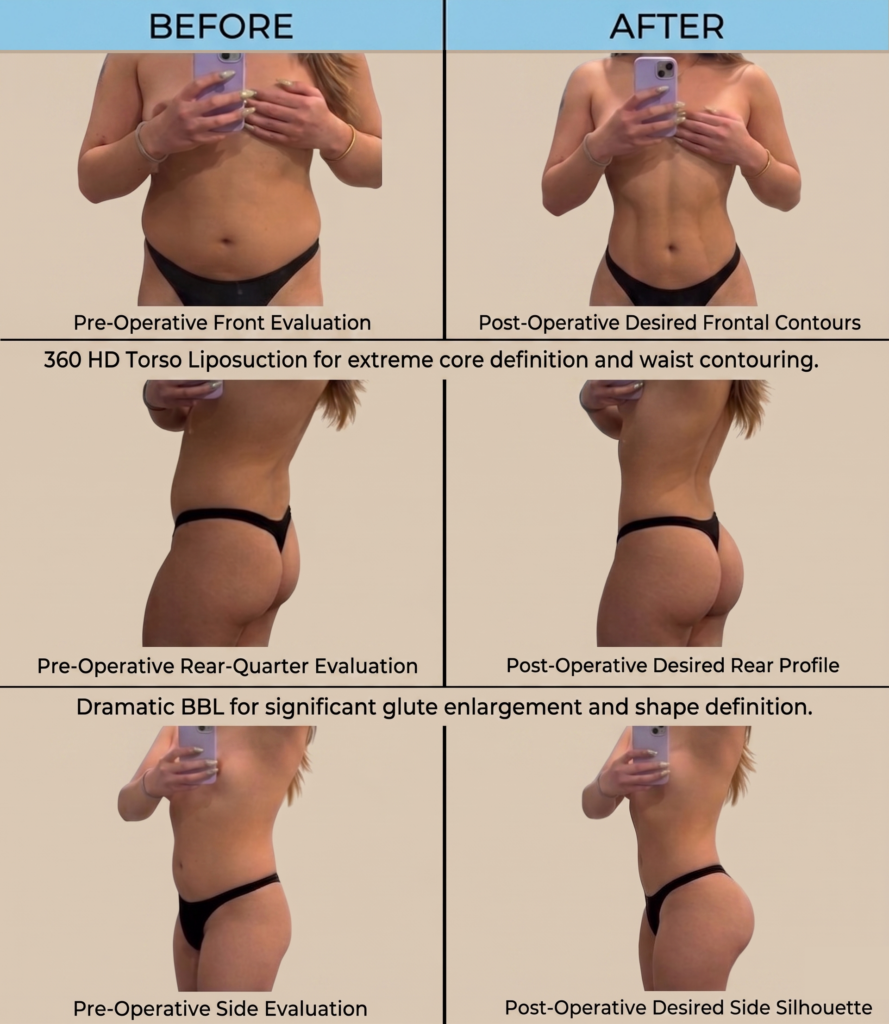
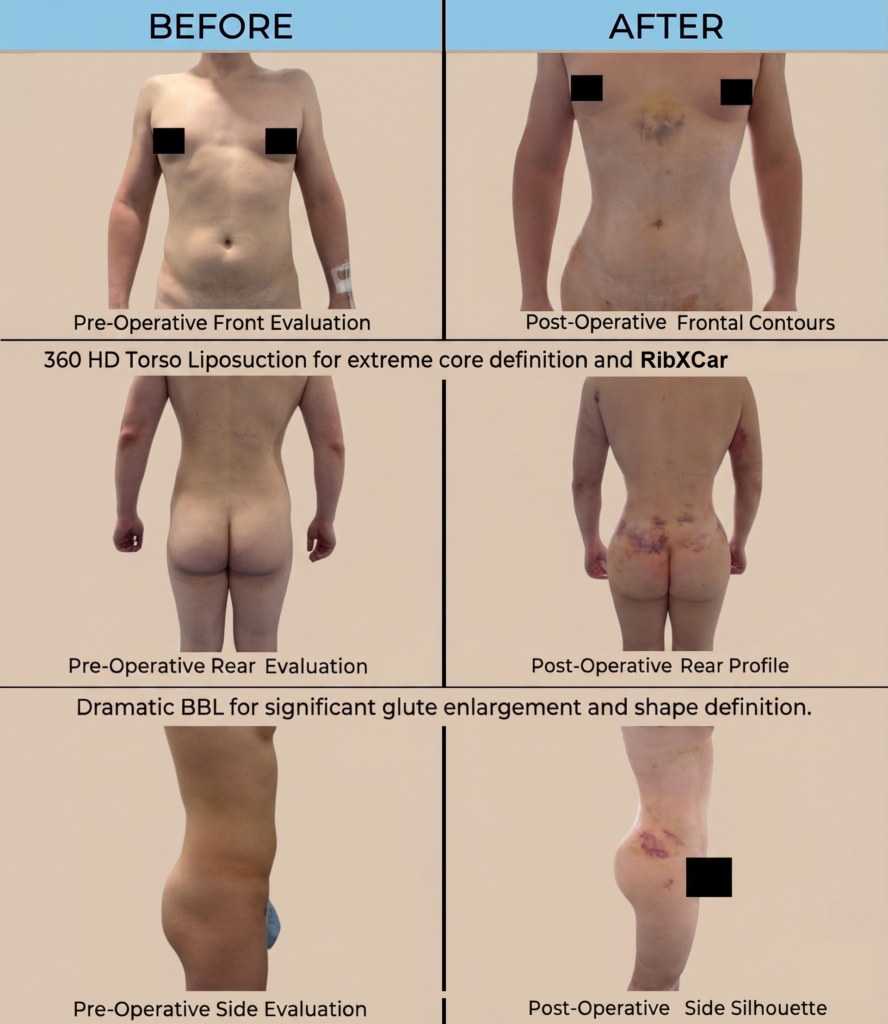
In aesthetic and gender-affirming surgery, RibXCar (frequently referred to as Rib Remodeling, Rib Carving, or Selective Rib Resection) is an advanced body-contouring procedure designed to dramatically narrow the midsection and enhance an hourglass or stylized V-taper silhouette.
Due to very high demand, we welcome both transgender and non-transgender patients to receive this transformational procedure at MTC!
Unlike traditional liposuction, which only removes subcutaneous fat, RibXCar addresses the underlying skeletal framework by safely modifying the lower floating ribs (the 11th and 12th pairs) and in some cases, the 10th pairs.
Here is a detailed breakdown of the primary benefits of this procedure:
1. Dramatic Waistline Reduction
Standard liposuction is highly effective but limited by a patient’s natural bone structure. If a patient has a naturally wide rib cage, fat removal alone cannot create a dramatic inward curve. RibXCar modifies the framework of the lower torso, allowing for an immediate, inward contour of the waist that cannot be achieved through diet, exercise, or lipo alone.
2. Permanent, Structural Results
While waist trainers and corsets can temporarily compress the floating ribs, they pose long-term risks to internal organs and the results disappear once the garment is removed. RibXCar provides a permanent structural change to the skeletal silhouette, ensuring that the narrow waist remains intact for life.
3. Safer, Less Invasive Techniques (Remodeling vs. Removal)
Modern RibXCar protocols typically utilize ultrasonic or piezosurgery instruments to carefully remodel, sculpt, or “fold” the floating ribs inward rather than completely resecting (removing) the bone.
Preserved Protection: By reshaping instead of removing, the ribs continue to provide structural protection to the kidneys and internal organs.
Faster Recovery: Ultrasonic tools selectively target bone tissue while leaving surrounding blood vessels, muscles, and nerves completely intact, significantly reducing post-op pain and bruising.
4. Maximum Synergy with 360° Liposuction & BBL
RibXCar is rarely performed in isolation; it is a powerful force multiplier when combined with comprehensive body contouring:
The Hourglass Factor: When paired with a BBL (fat transfer to the hips/gluteals) and high-definition liposuction, it creates an unmatched waist-to-hip ratio by simultaneously pulling the waist in and pushing the hips out.
5. Minimal, Virtually Invisible Scarring
The procedure is performed through tiny, highly concealed incisions located on the lower back. Once fully healed, these micro-incisions fade into tiny lines that are easily hidden by underwear, swimwear, or natural skin creases.
Understanding Your Options at the Mexico Transgender Center
When planning a transformative silhouette procedure at MTC, choosing the right surgical approach is key to achieving your ideal aesthetic goals. Below is a clear breakdown of how a standard contouring procedure compares to an advanced High-Definition (HD) upgrade.
1. Standard Body Contouring (Lipo 360 + BBL + RibXcar)
This foundational approach combines traditional surgical techniques to reshape your physical framework and redistribute volume for a more feminine silhouette.
Traditional Tumescent Liposuction: Fat is manually broken up and suctioned from the entire midsection (abdomen, flanks, and back) to reduce superficial volume.
RibXcar Framework Remodeling: Actively targets the underlying skeletal structure by narrowing the floating ribs, allowing for a smaller waistline than liposuction alone can achieve.
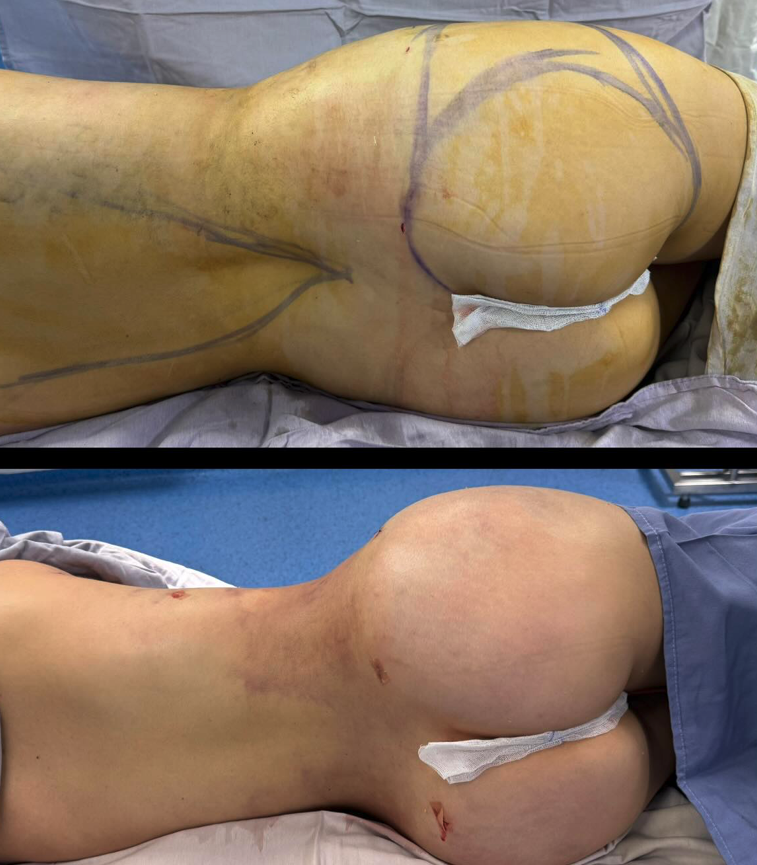
Brazilian Butt Lift (BBL): The harvested fat is purified and transferred into the hips and buttocks to maximize contrast against the newly narrowed waist.
For patients seeking maximum precision, smoother contours, and aggressive skin tightening, advanced energy-based modalities can be seamlessly integrated into the core surgical plan.
Vaser Liposuction (Ultrasound-Assisted): Instead of manual disruption, Vaser utilizes ultrasound waves to gently liquefy fat cells before removal. This preserves surrounding blood vessels and connective tissues, resulting in reduced bruising, a smoother final skin texture, and highly viable fat cells for the transfer.
J-Plasma / Renuvion (Subdermal Skin Tightening): Applied directly beneath the skin immediately following fat removal, this technology combines cold helium plasma and radiofrequency energy to instantly contract subdermal collagen fibers.
Why the Upgrade Matters with RibXcar
Shrinking the underlying skeletal framework with RibXcar and removing fat leaves a sudden surplus of skin over a smaller surface area. While the standard procedure relies entirely on your natural skin elasticity and compression garments to shrink the tissue over time, the High-Definition Upgrade acts as an internal “shrink-wrap.”
By forcing the skin to snap back tightly against your new, smaller contours, the advanced upgrade minimizes the risk of looseness and ensures a firm, highly defined, and sculpted aesthetic result.
Summary Comparison
Feature
Standard Contouring
High-Definition Upgrade
Liposuction Method
Manual / Tumescent
Vaser (Ultrasound-Assisted)
Skin Tightening
Relies on Natural Elasticity
J-Plasma / Renuvion Technology
Waist Remodeling
RibXcar Included
RibXcar Included
Post-Op Skin Result
Standard Contraction
Aggressive Shrink-Wrap Effect
"I can't believe my results! Dr. Mendez has vastly surpassed my expectations - Monica Sanchez"
5/5
Looking to connect with our past patients who received a similar surgery at Mexico Transgender Center? Ask us to join our friendly WhatsApp group TODAY!
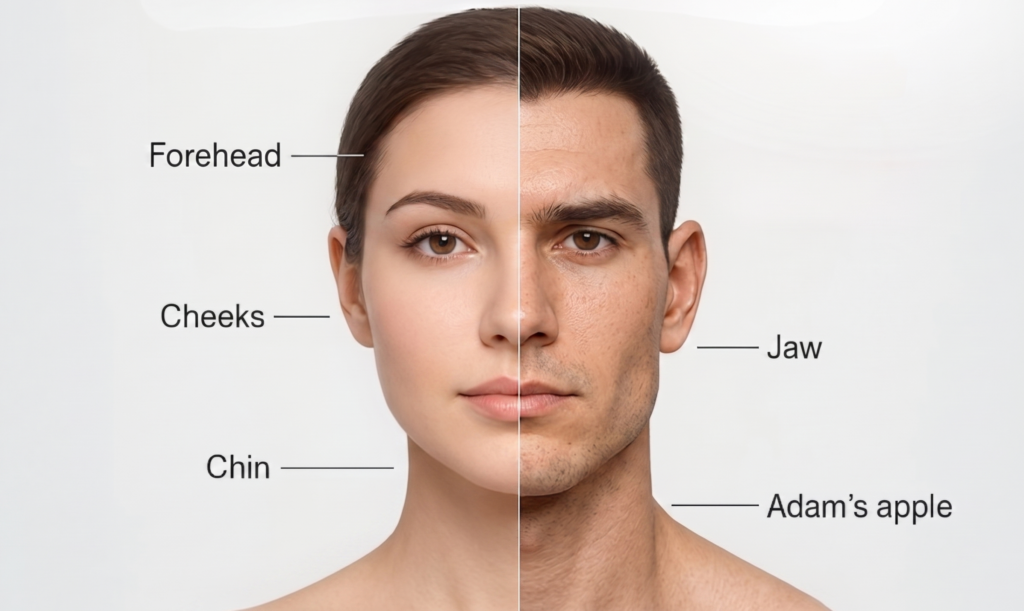
While hormone replacement therapy (HRT) with testosterone induces many physical changes, it cannot alter the underlying bone structure of the face. Facial Masculinization Surgery (FMS) encompasses a set of advanced reconstructive procedures designed to transform facial contours, providing a distinctly more masculine appearance.
At the Mexico Transgender Center, our board-certified surgeons utilize state-of-the-art techniques and custom implants to build angularity, definition, and prominence in key facial regions, helping transmasculine and non-binary individuals align their physical appearance with their gender identity.
Core FMS Procedures
A masculine face is typically characterized by stronger, more angular bone structures, a broader jawline, and a more prominent brow ridge. FMS is highly customizable, and a surgical plan may include one or a combination of the following procedures:
1. Jaw Augmentation (Jaw Contouring)
Masculine jawlines are generally wider and have a sharper, more squared-off angle at the back of the jaw. By utilizing customized surgical implants or bone reshaping techniques, we can increase the width and angularity of the lower face, creating a strong, defined jawline.
2. Chin Augmentation (Genioplasty)
A prominent, square chin is a hallmark of facial masculinity. Chin augmentation can be performed using customized implants or through a sliding genioplasty (where the native bone is cut and moved forward) to increase both the projection and the width of the chin, balancing the lower facial proportions.
3. Brow Augmentation & Forehead Lengthening
Male foreheads typically have a prominent brow ridge (supraorbital bossing) just above the eyes, and a slightly longer distance between the hairline and the eyebrows. We can augment the brow ridge using synthetic materials or bone cement to create a heavier, more masculine brow, effectively altering the way light and shadows fall across the upper face.
4. Masculinizing Rhinoplasty
A masculine nose is often broader, with a straighter profile and a less rotated tip compared to a feminine nose. Rhinoplasty can be tailored to build up the bridge of the nose or adjust the tip to create a stronger, more prominent nasal structure that complements the newly augmented jaw and chin.
5. Thyroid Cartilage Enhancement (Adam’s Apple)
For patients desiring a prominent Adam’s apple, thyroid cartilage enhancement involves placing a carefully sculpted implant over the native cartilage in the throat. This procedure safely creates the visual appearance of a male Adam’s apple without affecting the vocal cords.
Your Custom Surgical Plan
Because every patient’s starting anatomy and personal goals are unique, FMS requires a highly individualized approach. During your consultation, our surgeons will carefully evaluate your facial proportions and discuss which combination of procedures will best achieve your desired masculine aesthetic.
Meet The Wonderful Patients of MTC
Looking to connect with our past patients who received a similar surgery at Mexico Transgender Center? Ask us to join our friendly WhatsApp group TODAY!
Did you know that at Mexico Transgender Center we also offer non-transgender procedures?
Dr. Carlos Mendez is our amazing Board Certified plastic surgeon who has performed countless HI-END FACELIFT surgeries, delivering excellent results for our patients at a fraction of the cost of such surgery in the United States. Your dream of looking young, naturally beautiful and feminine at any age, has never been this accessible.
Exceptional Quality, Accessible Pricing
Similar high-end Deep Plane Facelift results can cost up to $100K USD in the USA, but our patients achieve stunning, natural outcomes for a fraction of that price without compromising on surgical excellence.
Why Choose Our High-End Facelift?
Look like yourself, only way younger!
No distorted facial features or looking unnatural.
Surprise friends and family with a new, younger appearance.
No “grimace look” or looking like a “cat woman”.
Deep plane facelift technique featuring a quick recovery!
…and many other aesthetic procedures offered, just ask!
Understanding Facelift Techniques: SMAS vs. Deep Plane
A SMAS facelift tightens the superficial layer (Superficial Musculoaponeurotic System) for moderate aging, while a deep plane facelift goes under the SMAS, lifting deeper structures (muscles, fat) for more comprehensive, natural, and longer-lasting results, especially for significant sagging and deep folds. This makes the deep plane approach better for moderate to severe aging compared to the SMAS’s mild-to-moderate focus, but it requires more surgical skill and potentially a slightly longer recovery.
SMAS Facelift
Targets: The SMAS layer, lifting skin and some underlying tissue.
Best For: Mild to moderate aging signs, jowls, good skin elasticity.
Results: Natural-looking, moderate improvement, lasts about 10–12 years.
Recovery: Around 1 week for initial recovery.
Deep Plane Facelift
Targets: Deeper tissues (muscles, ligaments, fat pads) beneath the SMAS.
Best For: Moderate to severe aging, significant midface sagging, deep nasolabial folds.
Results: More dramatic, comprehensive, and natural-looking lift (avoids the “tight” look).
Longevity: Longer-lasting, often 15+ years, because it addresses deeper causes of aging.
Recovery: Can be slightly longer due to the more invasive nature.
Key Difference: Depth & Longevity
The core distinction is depth. The deep plane technique releases ligaments and repositions structural fat pads, creating a more profound, longer-lasting lift by addressing the root cause of sagging, whereas the SMAS lift tightens tissues at a shallower level.
Which is Right for You?
Choose SMAS for early signs of aging or moderate improvement.
Choose Deep Plane for more significant aging, deeper wrinkles, and the most durable results, especially for midface rejuvenation.
Always consult a board-certified plastic surgeon to determine the best technique for your specific goals and anatomy.
Yes, absolutely! Our doctors are available for private consultations via WhatsApp (up to 15-20 minutes per patient, Please see schedule and instructions on how to join).
IMPORTANT: All patients will also have a private consultation with our doctors one day before surgery.
To protect the privacy of our patients, we do not publicly display their facial photos on our website. Some patients have agreed to share their before/after photos with out prospective patients. Please contact us for more information.
Sometimes, it is difficult or impossible to take feminizing hormones. An endocrinologist may recommend an orchiectomy, which involves removal of the testicles, to considerably reduce the production of testosterone.
Important Consideration for Future Vaginoplasty
An orchiectomy prior to vaginoplasty does not compromise the results of the latter. However, because the scrotal skin may retract (shrink) after an orchiectomy, a skin graft may be necessary for the construction of the vaginal cavity. If you plan to have vaginoplasty surgery, it is recommended that you do stretching exercises with the skin of your scrotum to prevent it from retracting (shrinking) after your orchiectomy.
Orchiectomy with Scrotectomy
During an orchiectomy, the surgeon will remove one or both testicles from the scrotum. During a scrotectomy, the surgeon will remove the entire scrotum or a portion of it.
If your transition will eventually include a vaginoplasty, the scrotal tissue may be used to create the vaginal lining. A vaginoplasty is the construction of a vagina using skin grafts. In these cases, a scrotectomy may not be recommended.
If there is no scrotal tissue available for a vaginoplasty, the next option for constructing the vaginal tissue can often include skin grafts from the upper thigh.
It is a good idea to talk to your doctor about all of your options. Be open with them about future surgeries you may plan to have. Before the procedure, talk to your doctor about fertility preservation and the impact to sexual functioning.
Male Nullification (Male-to-Nullo)
Male nullification, or genital nullification surgery (nullo/nullectomy), is a type of gender-affirming surgery where external male genitalia (penis and scrotum) are removed, the urethra is shortened, and the area is made smooth. This creates a neutral or agender appearance, often with preserved nerve endings for sensation. It is popular for non-binary individuals seeking alignment with their identity beyond traditional binary transitions.
What It Involves
Penectomy: Removal of the penis.
Orchiectomy: Removal of the testicles.
Scrotal Reduction: The scrotum is reduced or removed.
Urethral Shortening: The urethra is shortened, allowing urination through the new opening.
Sensate Tissue Preservation (Optional): Some surgeons can preserve highly sensitive penile tissue and bury it in the mons, creating a “hidden” clitoris for heightened sensation.
Who It Is For
Non-Binary & Agender Individuals: People whose gender identity isn’t exclusively male or female and seek a body that reflects a neutral or null gender.
Gender Non-Conforming Individuals: Those who don’t desire a full binary transition but want genital affirmation.
Goals & Benefits
Gender Affirmation: Aligns physical form with internal gender identity.
Smooth Appearance: Creates a flat, unbroken transition from the abdomen to the groin.
Empowerment: A powerful declaration of self-acceptance and authenticity.
Improved Mental Health: Reduces gender dysphoria and increases well-being.
Key Considerations
Recovery: Involves several weeks of healing with activity restrictions.
Penis Reduction Surgery
Penis reduction surgery, or reduction corporoplasty, is a rare procedure to decrease penile size (length or girth) due to conditions like macrophallism (abnormally large penis from genetics or sickle cell) or severe deformity. It often involves removing tissue to improve function, aesthetics, or allow for comfortable intercourse. Techniques include tissue excision, skin plication, and sometimes urethroplasty, aiming for better symmetry and normal function, though it is highly complex and case-specific.
Reasons for the Surgery
Macrophallism: A condition where the penis is significantly larger than average, causing physical difficulties.
Functional Issues: Inability to have intercourse or play sports due to size or shape.
Partner Comfort: To alleviate discomfort for a partner during intercourse.
Reconstruction: To reduce size after reconstructive surgery.
Cosmetic/Psychological: Dissatisfaction with size or appearance.
Surgical Techniques
Tissue Excision: Removing elliptical or wedge-shaped sections of tissue from the penile shaft (corpora).
Incision & Reshaping: Using Y-shaped or curved incisions to reduce circumference and reshape the glans.
Urethroplasty: Re-routing or adjusting the urethra (urine tube) to fit the reduced penis.
Corporoplasty: Modifying the erectile tissue (corpora cavernosa) to reduce bulk.
Outcomes & Considerations
Success: Case reports show successful reduction with improved appearance, symmetry, and function, with patients reporting high satisfaction.
Risks: Potential complications include issues around the urethra and erectile dysfunction, though specialized cases report good functional recovery.
Will 100% of erectile tissue be removed during nullification?
In genital nullification surgery—a procedure designed to remove external genitalia and create a smooth, continuous surface from the abdomen to the groin—surgeons cannot safely remove 100% of the erectile tissue.
While the external, visible portions of the tissue are excised, attempting to remove the internal portions carries extreme medical risks. Here is why some erectile tissue must remain behind.
1. The Deep Roots (Crura) Anchor to the Bone
The visible penis is only part of the anatomical structure. The main erectile bodies (the corpora cavernosa) extend deep inside the pelvis, splitting into two “roots” called the crura.
These roots are firmly attached and fused directly to the pubic bones (the ischial rami).
Removing them completely would require a highly invasive dissection to scrape the tissue off the pelvic bone. This risks catastrophic, life-threatening hemorrhage from deep pelvic blood vessels that are difficult to control.
2. Protecting the Urethra’s Blood Supply
The urethra, which carries urine out of the body, is encased in a separate cylinder of erectile tissue called the corpus spongiosum.
During nullification, the urethra must be preserved, shortened, and rerouted to a new opening (a stoma), similar to the perineal urethrostomy discussed earlier.
The corpus spongiosum provides the critical blood supply to the urethra. If a surgeon were to aggressively strip away all of this surrounding erectile tissue, the remaining urethra would lose its blood supply, causing the tissue to die (necrosis).
3. Preserving Pelvic Floor and Bladder Function
The deepest segments of erectile tissue are intimately intertwined with the pudendal nerve, major arteries, and the muscular structures of the pelvic floor.
Excavating this area to hunt down every last bit of erectile tissue risks permanently damaging the nerves and muscles that control the bladder and bowels.
This could leave the patient with permanent urinary or fecal incontinence, as well as chronic pelvic pain.
The Resulting Sensation: Because these deep internal roots and the tissue supporting the urethra are intentionally left behind for safety, they remain connected to the body’s vascular and nervous systems. As a result, individuals who undergo nullification often still experience a physical sensation of internal engorgement, throbbing, or swelling deep in the pelvis during physical arousal, even though there is no external protrusion.
NOTICE ABOUT SURGERY PHOTOS: Post op photos are available upon request.
Looking to connect with our past patients who received a similar surgery at Mexico Transgender Center? Ask us to join our friendly WhatsApp group TODAY!
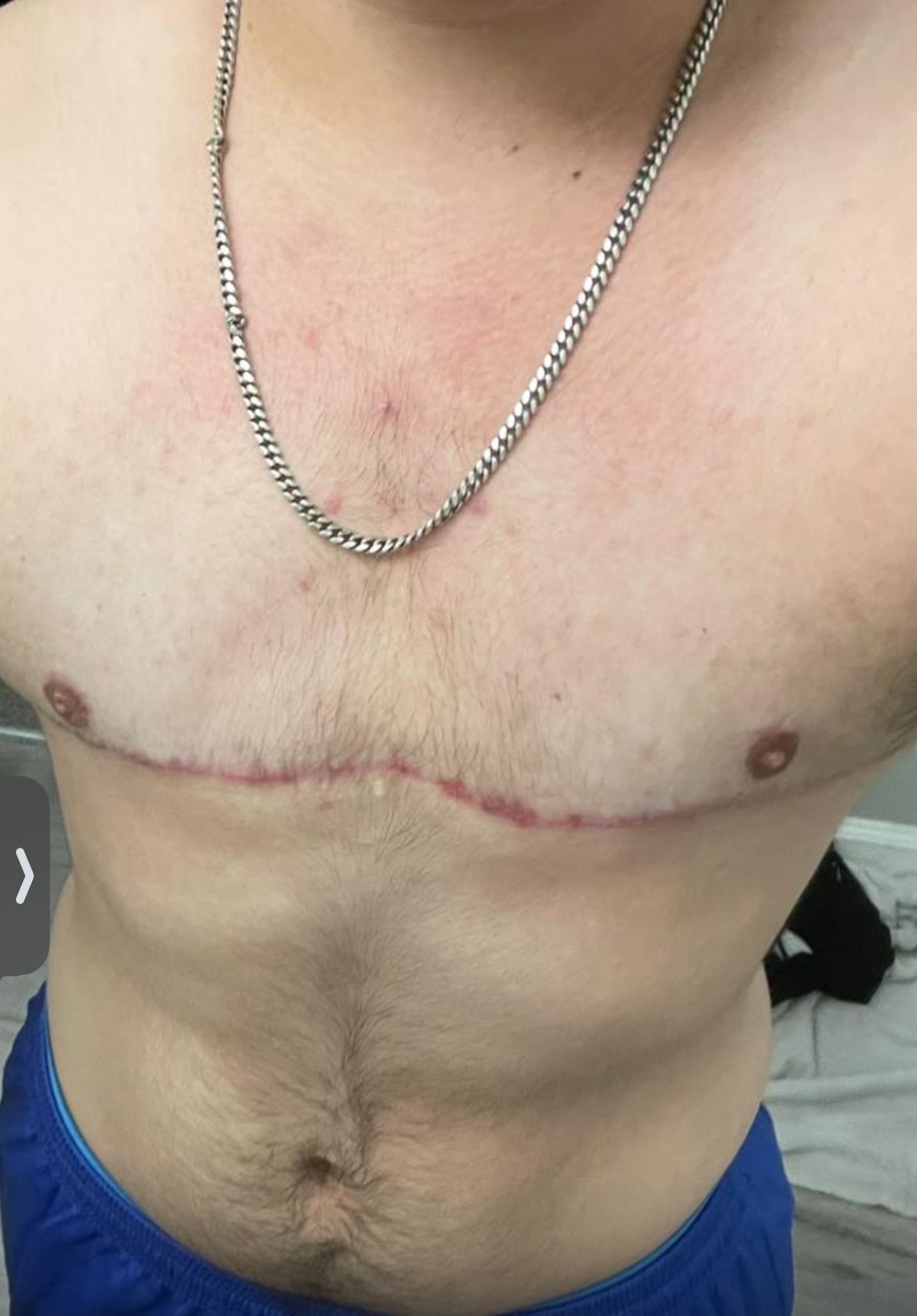
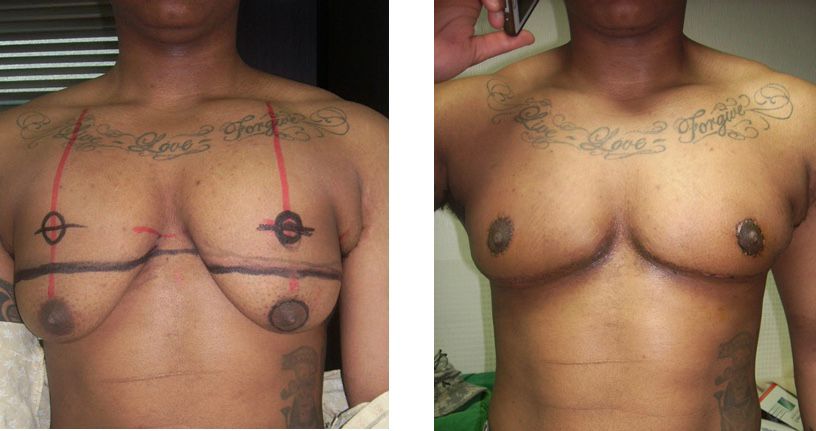
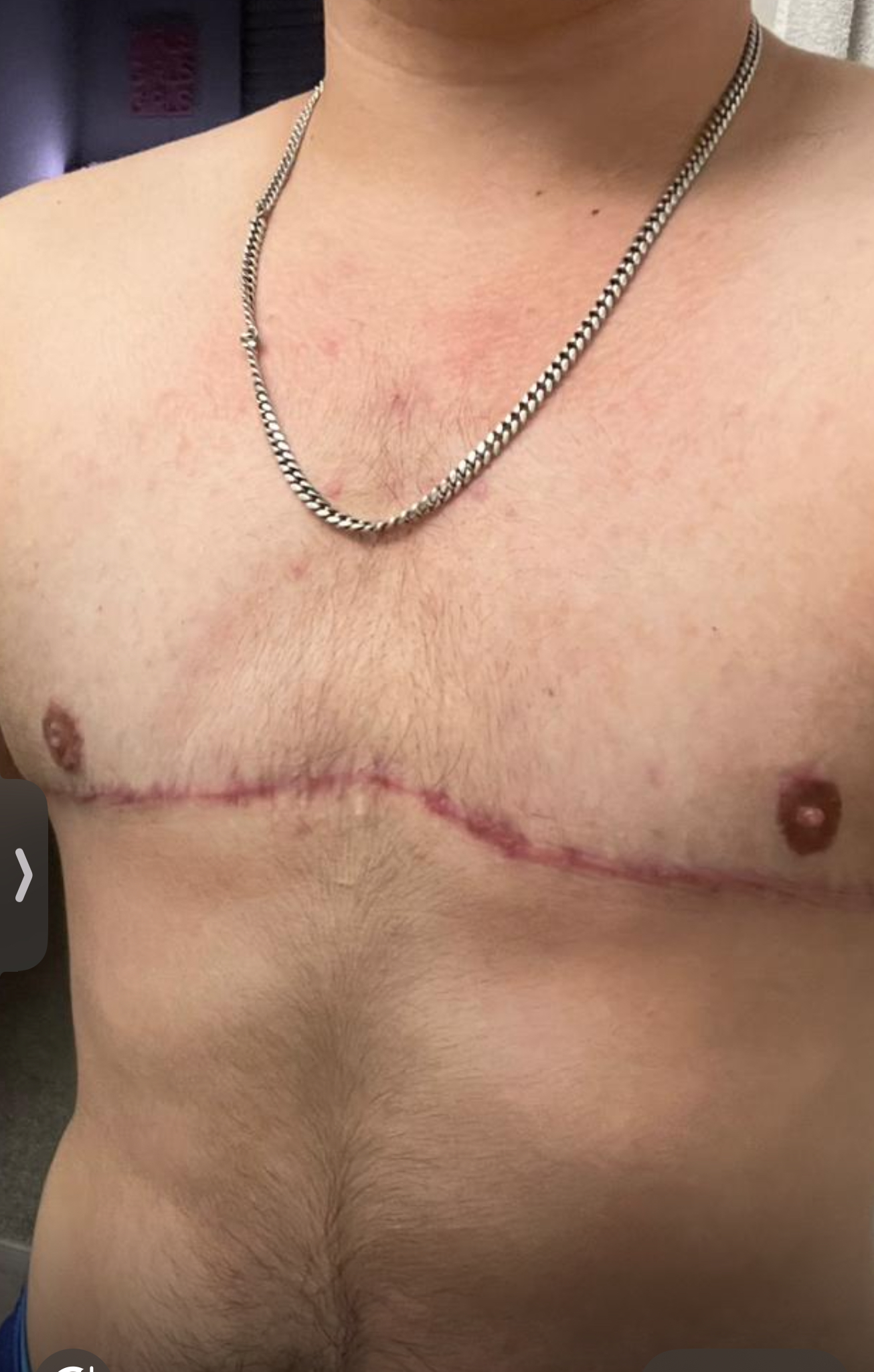
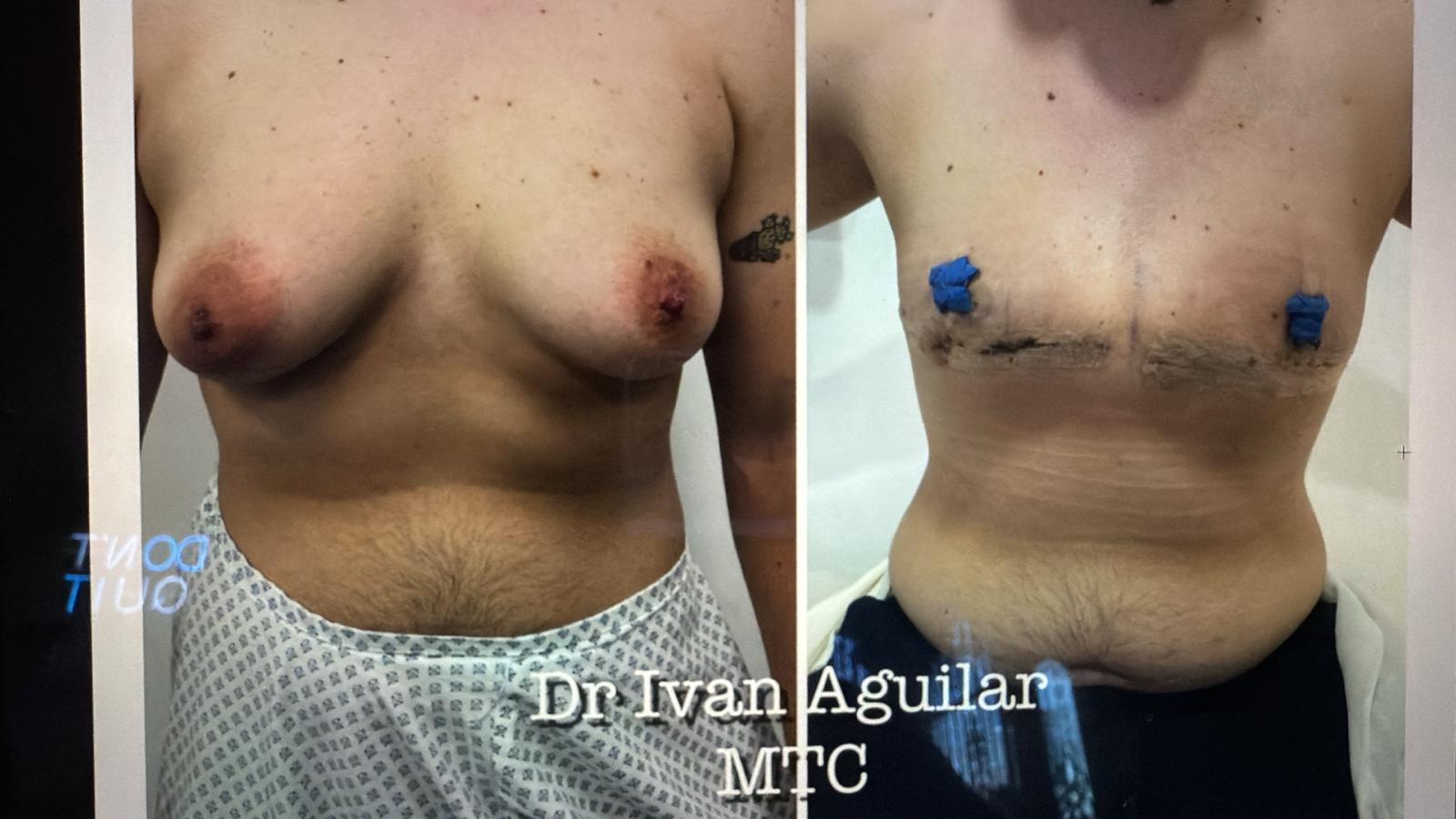
Also known as Top Surgery, this procedure involves the surgical removal of breast tissue and mammary glands to create a flatter, more masculine or contoured chest appearance.
Surgical Techniques
Subcutaneous (Periareolar) Mastectomy
Typically recommended for patients with minimal excess skin and smaller chests.
Small incisions are made following the lower border of each areola.
Tissues, glands, and excess skin are carefully resected through these small incisions.
The incisions are then closed, resulting in minimal, well-concealed scarring.
Double Incision Bilateral Mastectomy Most Popular
This technique is recommended by surgeons for patients with a larger amount of excess tissue, mammary glands, and skin.
An incision is made around each areola to safely remove and preserve the nipple.
A sub-pectoral (lower chest) incision is made on each side of the torso.
The skin between the nipple and the lower incision is removed along with the underlying tissue and mammary glands.
The chest is contoured and the sub-pectoral incision is securely closed.
The nipples are grafted and attached to a natural, masculine position on the torso (Nipple-Areolar Complex or NAC graft).
Post-Operative Care & Healing
After Surgery Guidelines
Specific Care (Drains): You may have Jackson-Pratt drains temporarily installed during surgery to prevent fluid buildup. You will likely leave the hospital with these drains in place. A family doctor or nurse can easily remove them a few days after your surgery, following your surgeon’s specific directions.
The Healing Process: Healing is a gradual process. During the 9 to 12 months following the procedure, the skin will naturally retract, which helps correct any residual laxity or looseness over the chest wall.
Enhancements
Chest (Pectoral) Implants
Male chest implants are designed to add bulk, size, and definition to the pectoral region. They can be used to build an underdeveloped chest or correct existing muscle asymmetries.
Material: Unlike fluid-filled female breast implants, male implants are made of soft but solid silicone, meaning they cannot leak or deflate.
Placement: They are anatomically designed for a masculine physique and are placed beneath the pectoral muscles.
Did you know? Dr. Carlos Mendez has performed hundreds of reconstructive transgender procedures, including double mastectomy, non-binary mastectomy, facial and body masculinization surgery and more!
"My experience has been truly amazing! Scarring healed up so well, better than I expected, after just 3 months!" - Noah (USA)
5/5
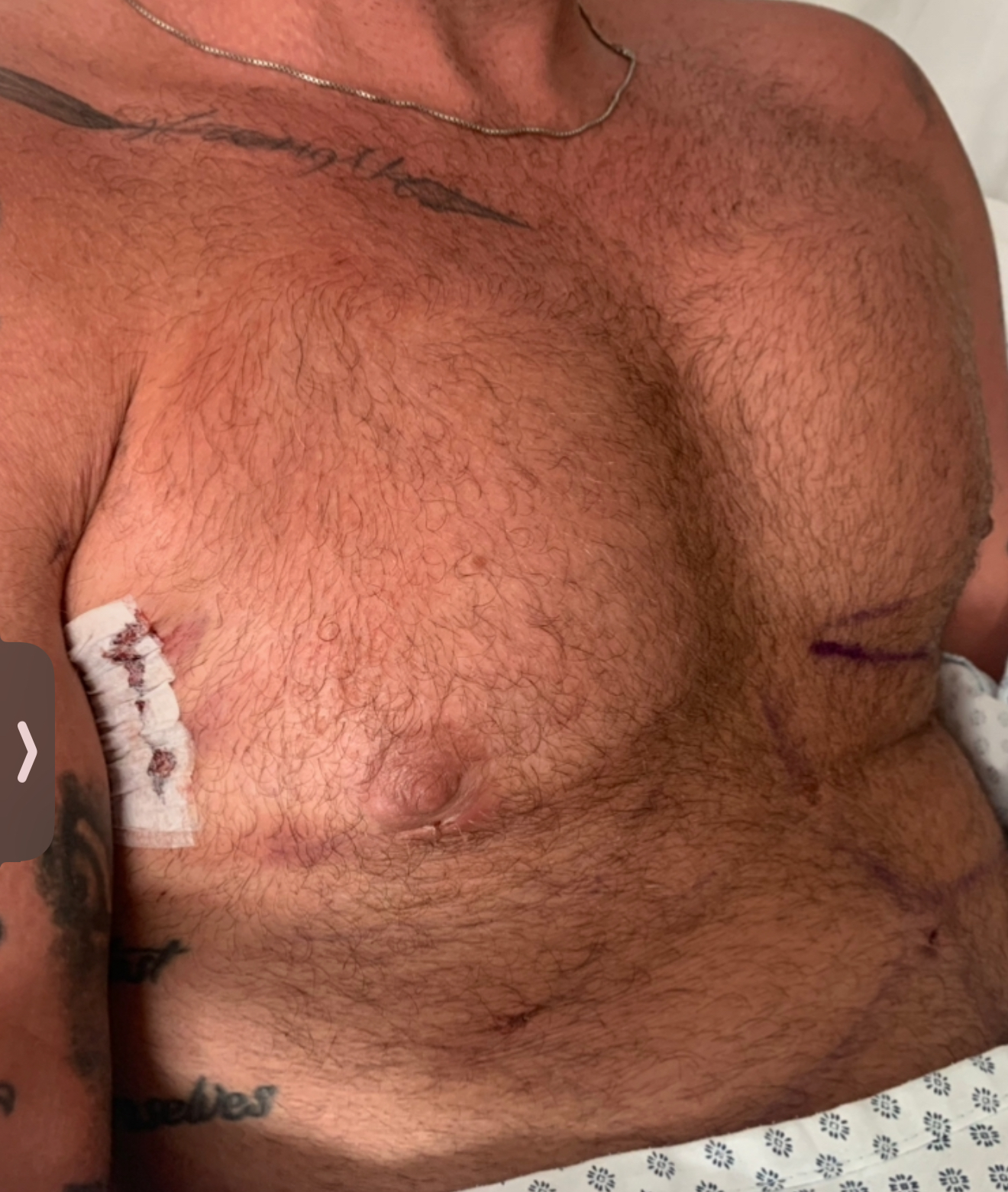
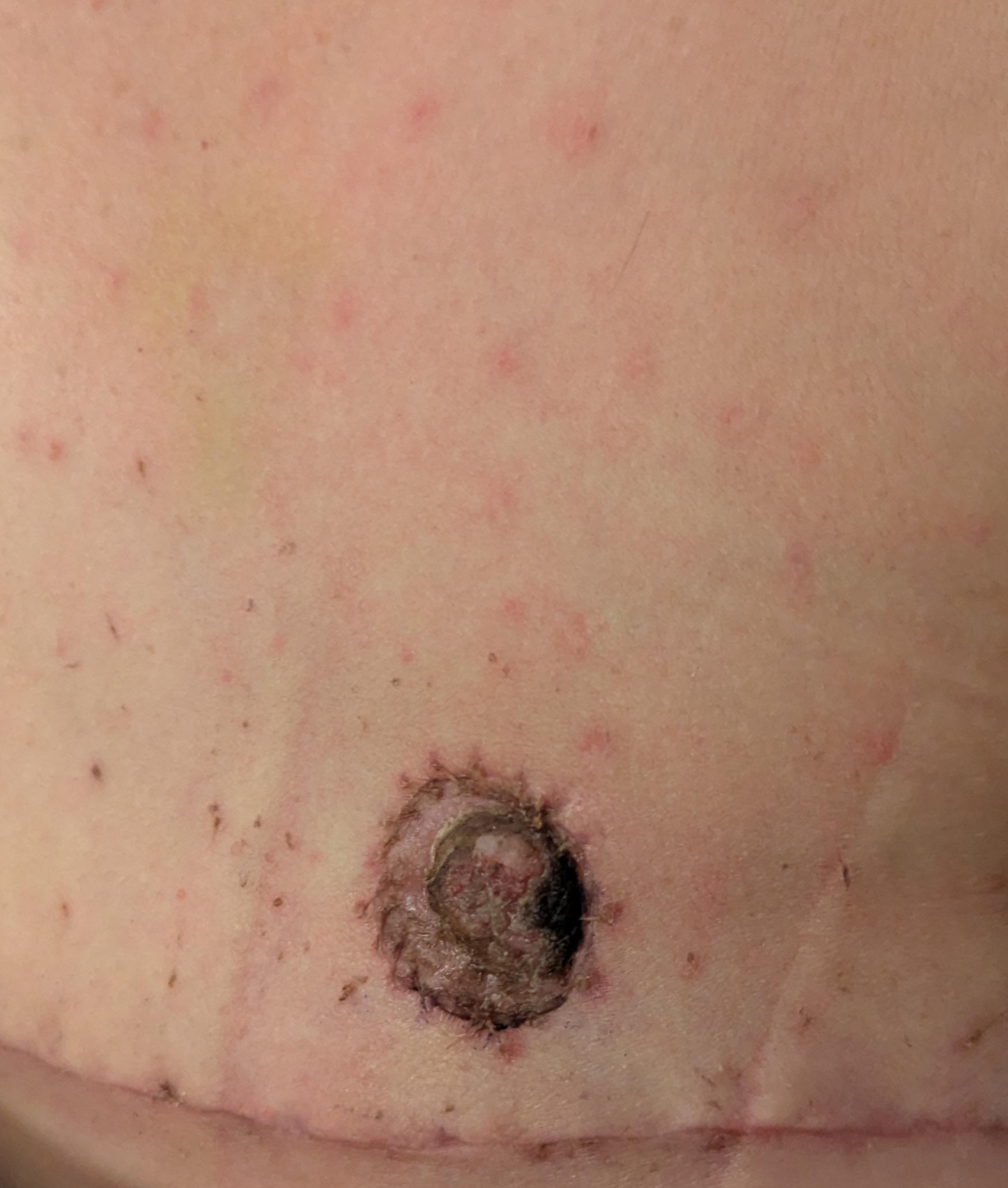
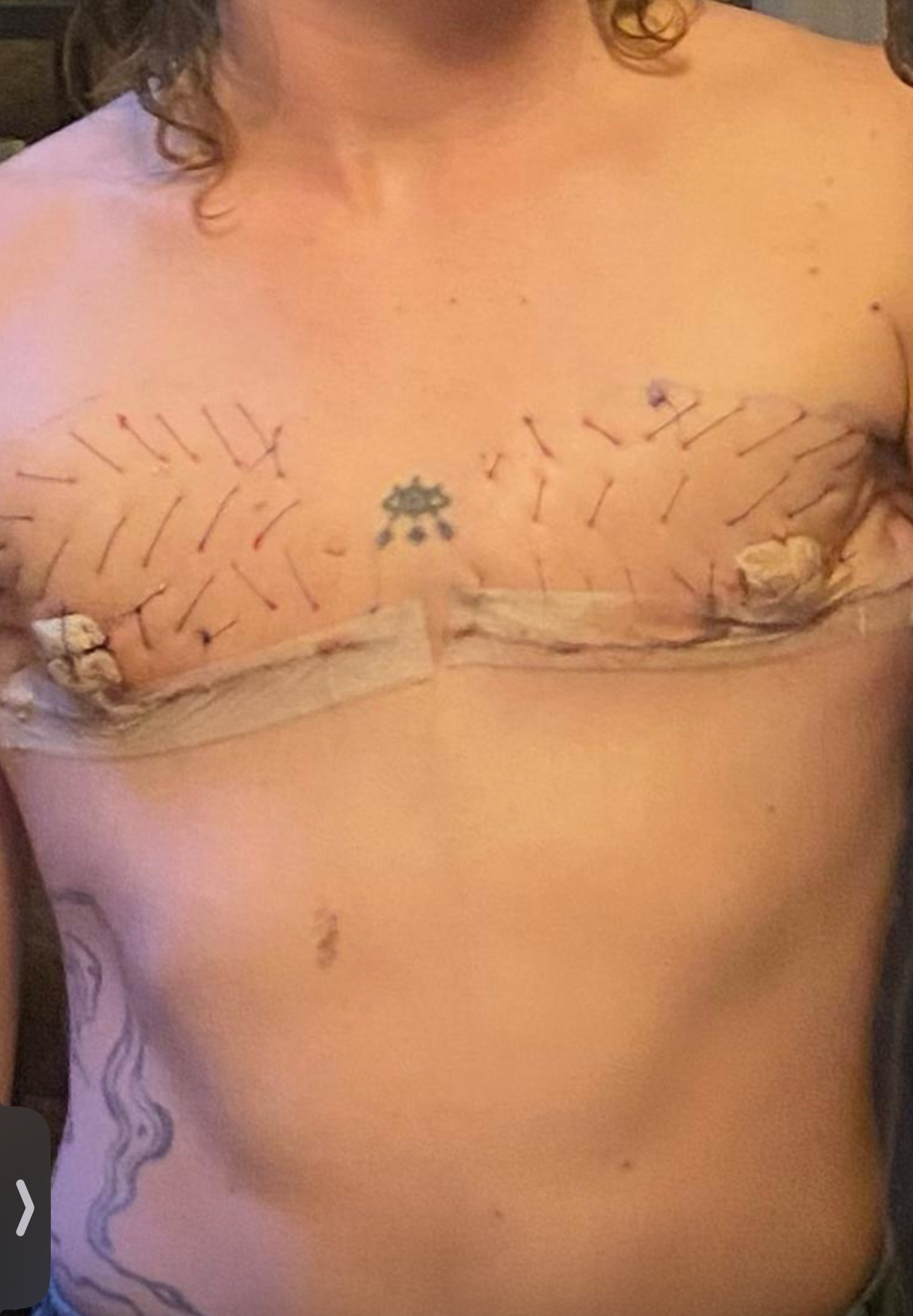
NOTICE: Most of these examples were taken only 1-5 days post-op. Scar will heal with time.
"Entire staff was amazing, my surgery was a huge success and I am extremely happy now!" - Jake (USA)
5/5
Double mastectomy (post-op) by Dr. Carlos Mendez at Mexico Transgender Center
Double mastectomy (nipple graft) by Dr. Carlos Mendez at Mexico Transgender Center
Double mastectomy (post-op) by Dr. Carlos Mendez at Mexico Transgender Center
Double mastectomy (post-op) by Dr. Carlos Mendez at Mexico Transgender Center
Double mastectomy (pre-op, post-op) by Dr. Carlos Mendez at Mexico Transgender Center
Double mastectomy (post-op) by Dr. Carlos Mendez at Mexico Transgender Center
Double mastectomy (post-op) by Dr. Carlos Mendez at Mexico Transgender Center
Double mastectomy (pre-op, post-op) by Dr. Carlos Mendez at Mexico Transgender Center
Double mastectomy (post-op) by Dr. Carlos Mendez at Mexico Transgender Center
Double mastectomy (post-op) by Dr. Carlos Mendez at Mexico Transgender Center
Double mastectomy (post-op) by Dr. Carlos Mendez at Mexico Transgender Center
Double mastectomy by Dr. Carlos Mendez at Mexico Transgender Center
Important Notice: As of August 1st, 2026 we no longer accept NEW patients over 30 BMI for double mastectomy.
Looking to connect with our past patients who received a similar surgery at Mexico Transgender Center? Ask us to join our friendly WhatsApp group TODAY!