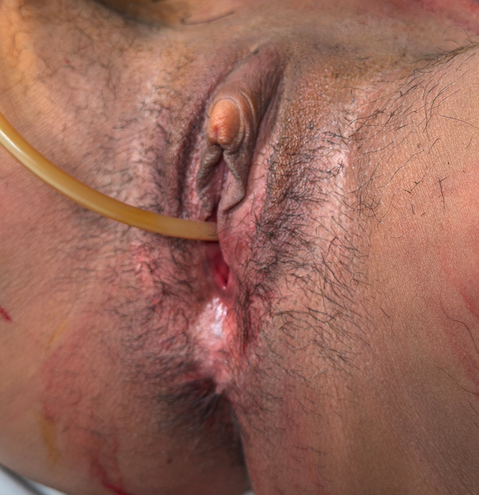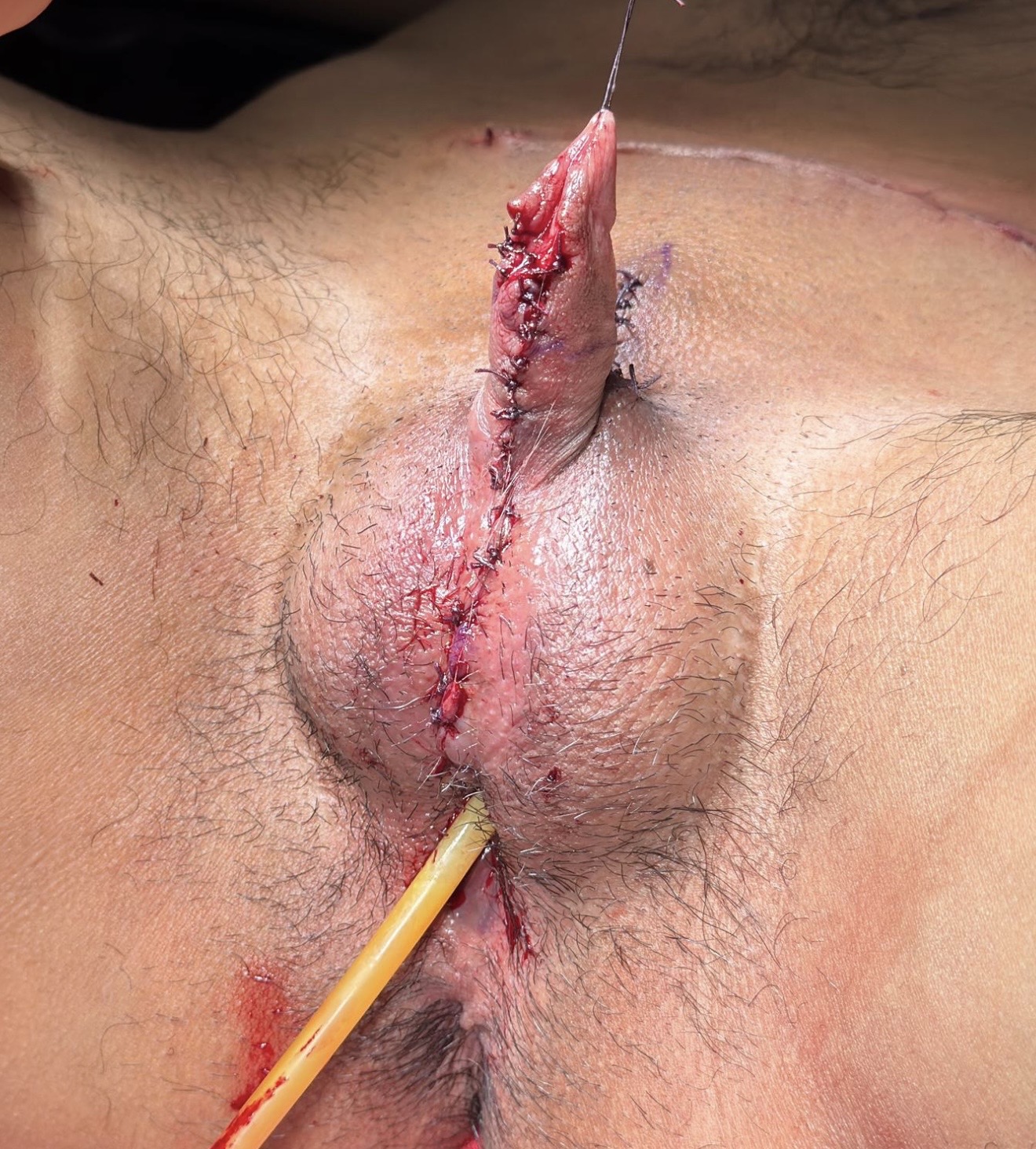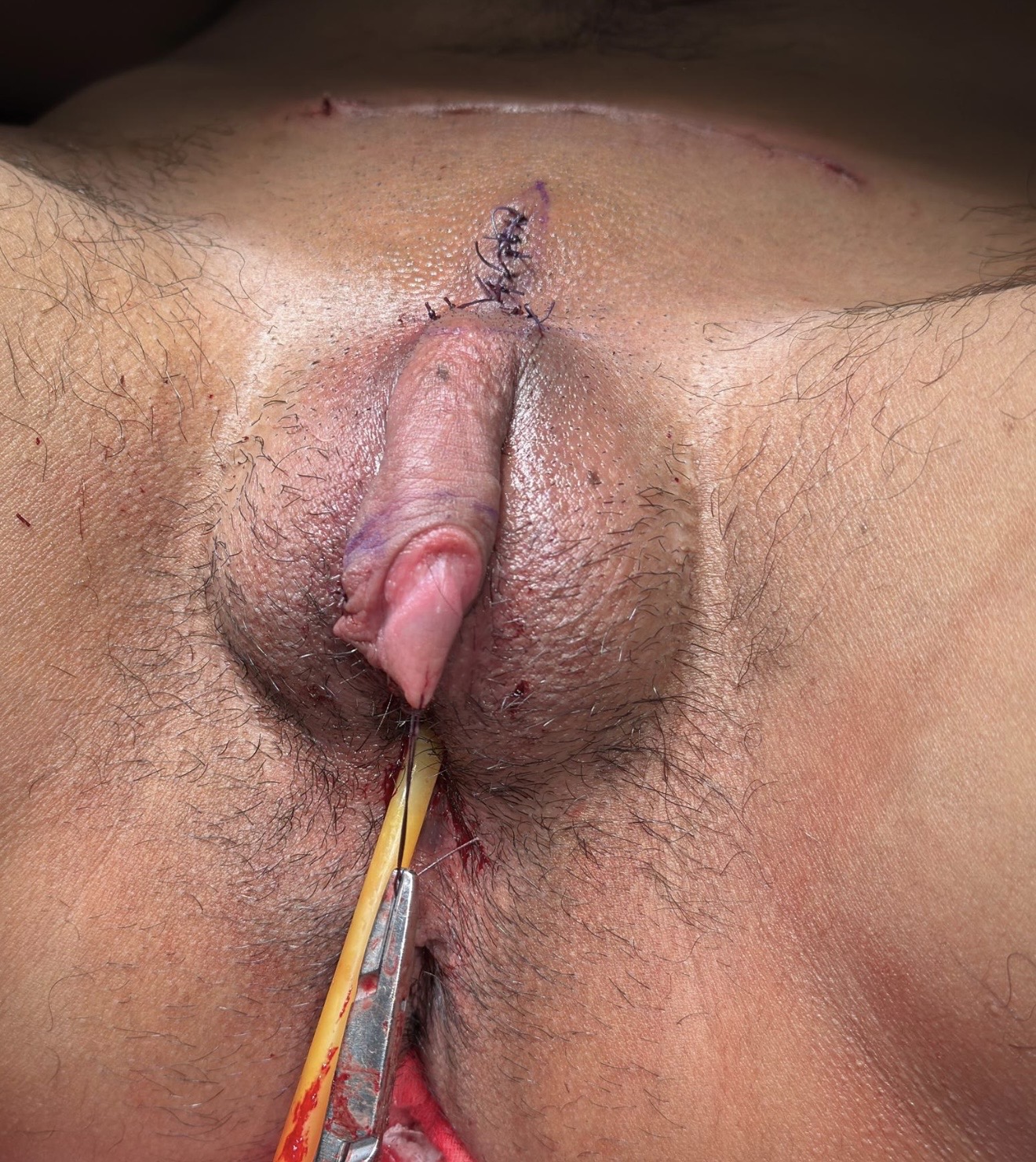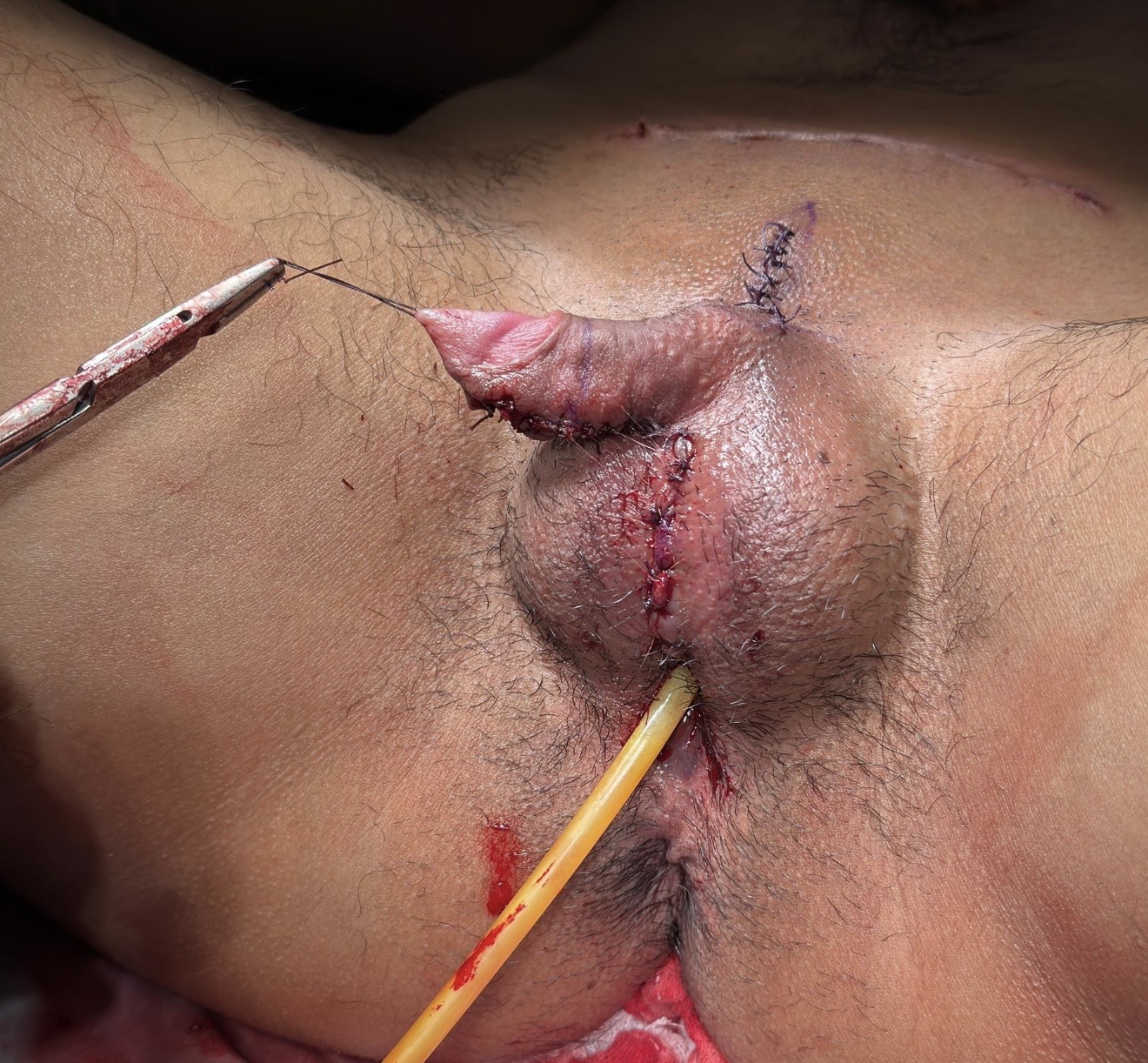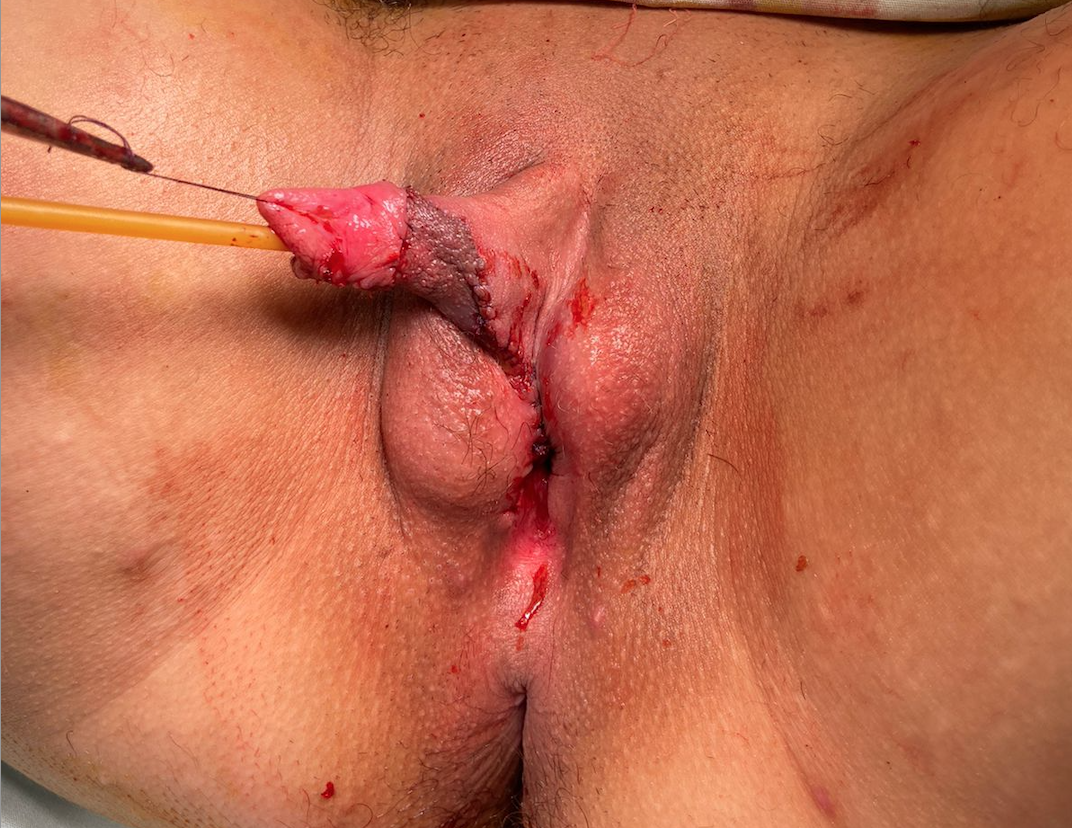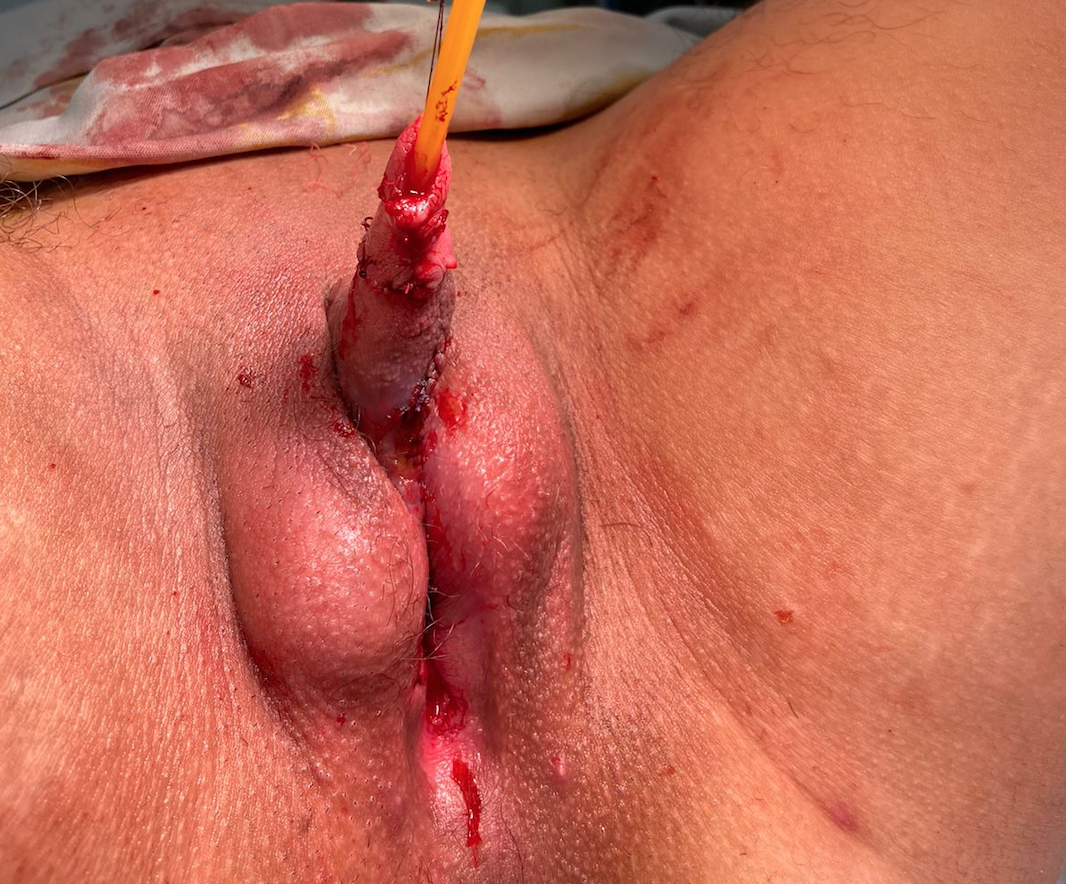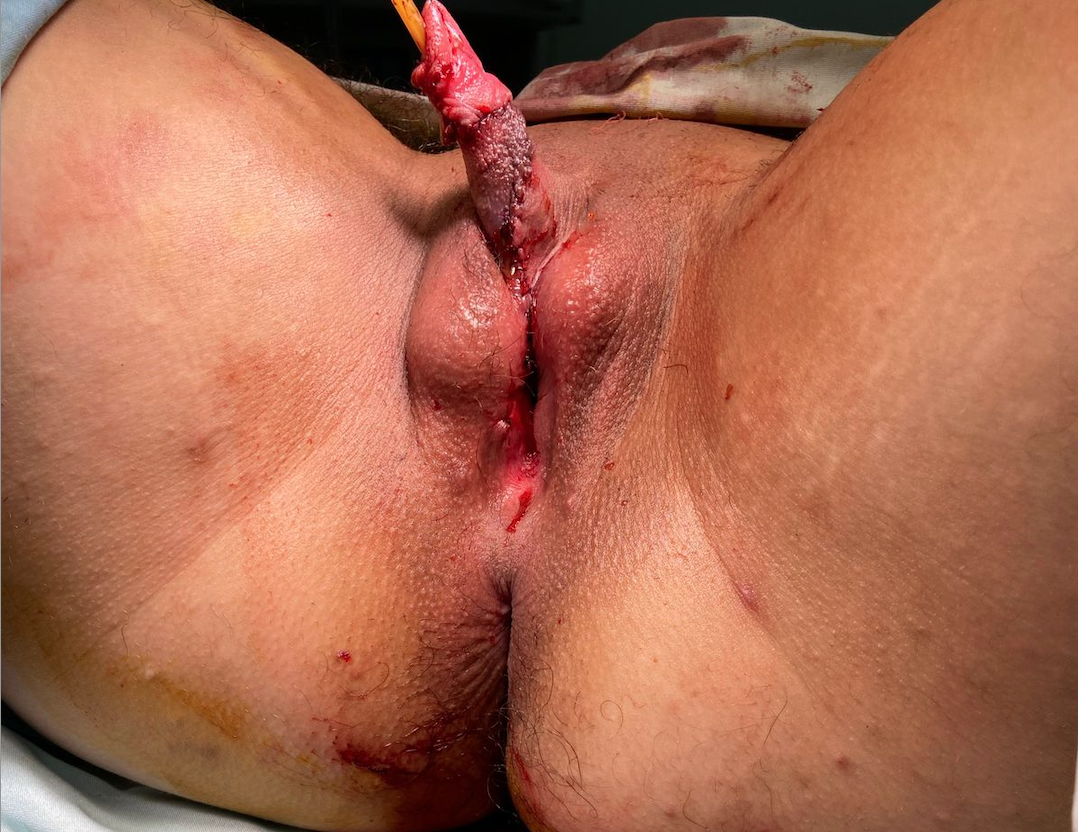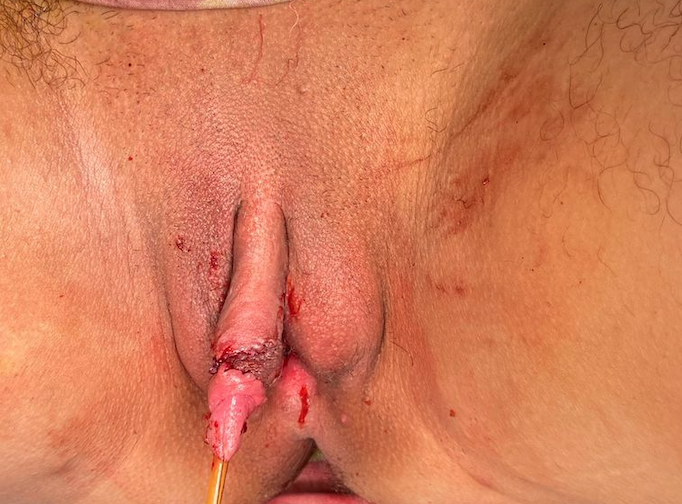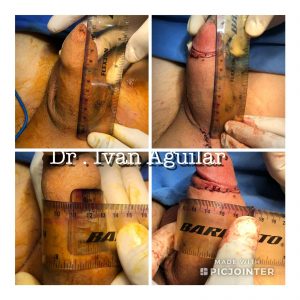
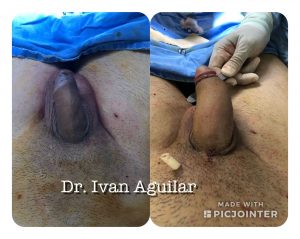
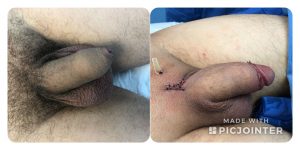
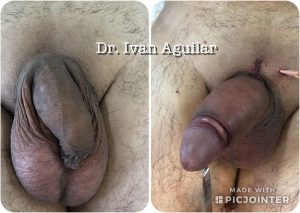
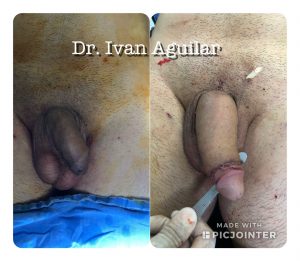
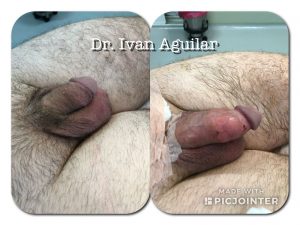
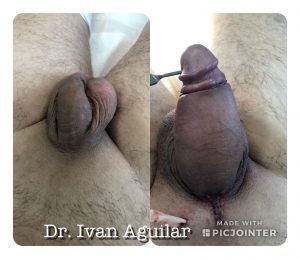
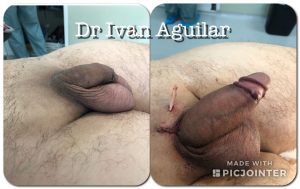
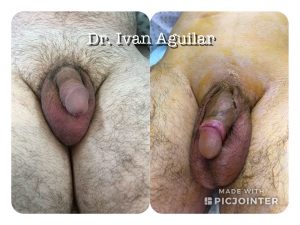
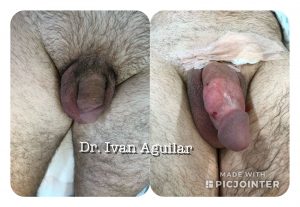
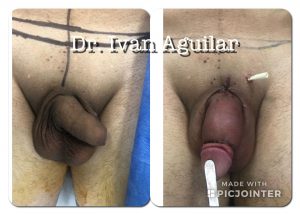
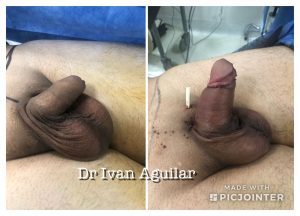
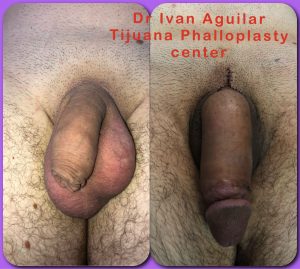
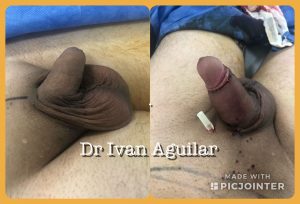
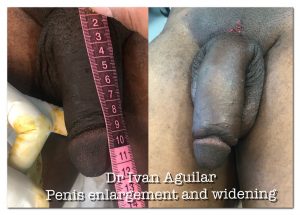
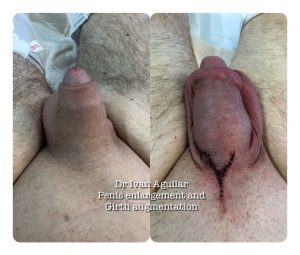
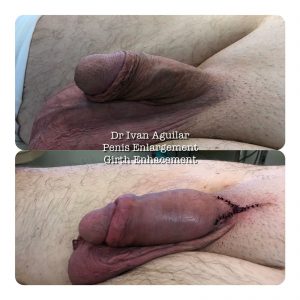
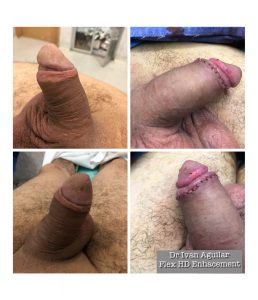
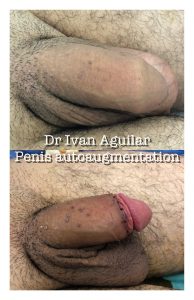
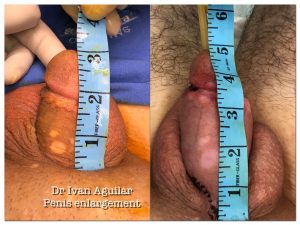
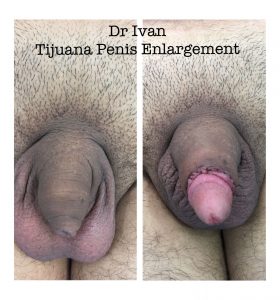
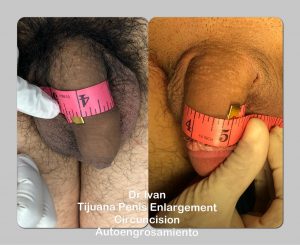
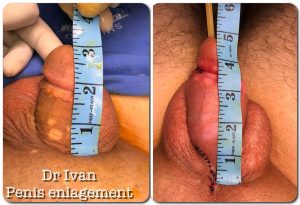
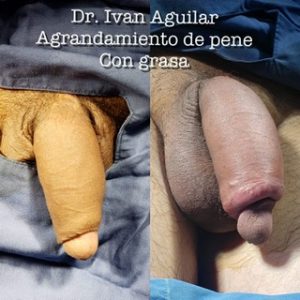
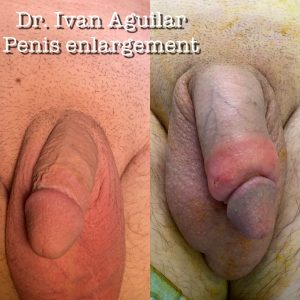
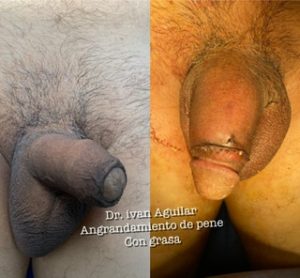
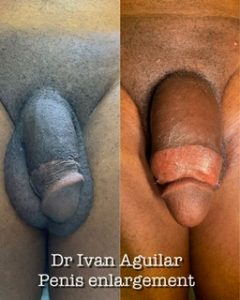
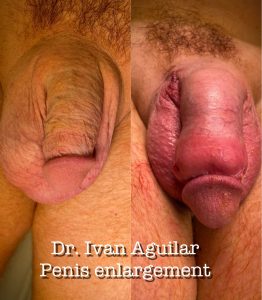
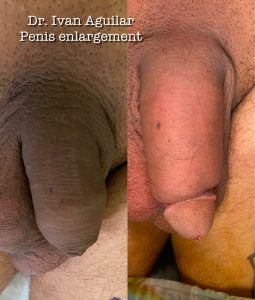
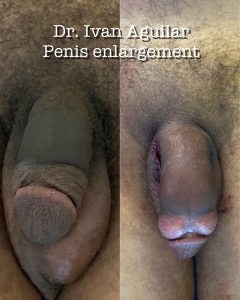
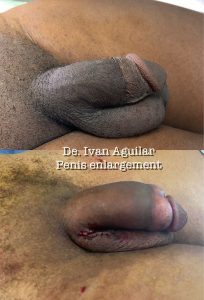
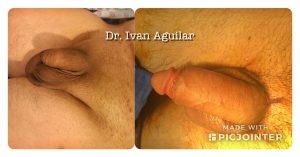
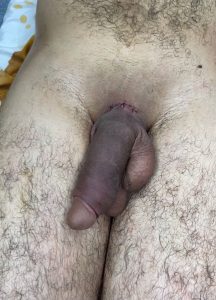
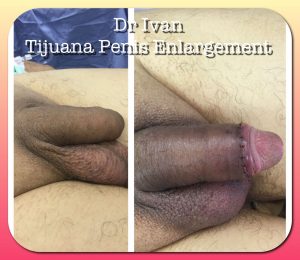
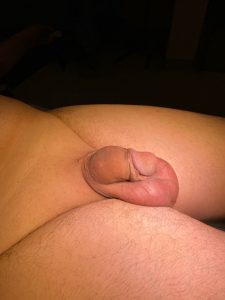
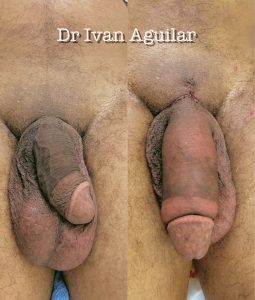
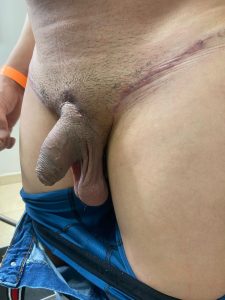
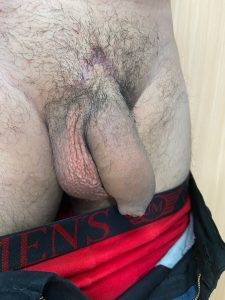
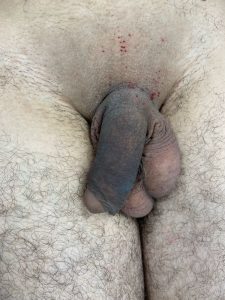
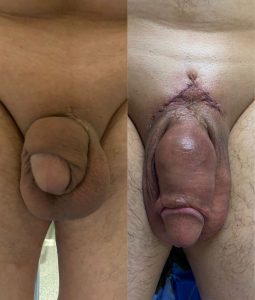
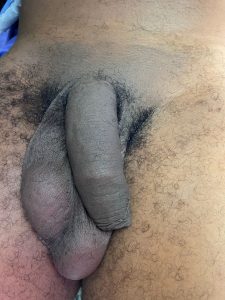
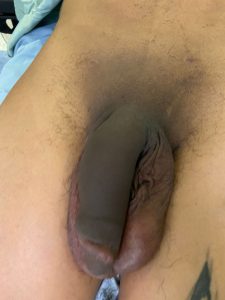
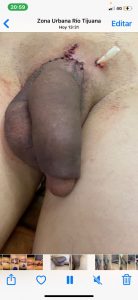
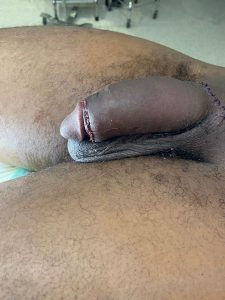
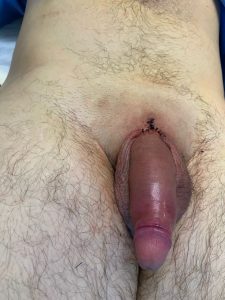
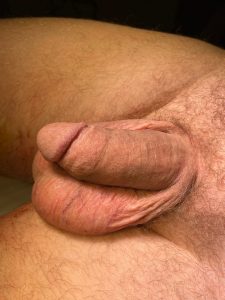
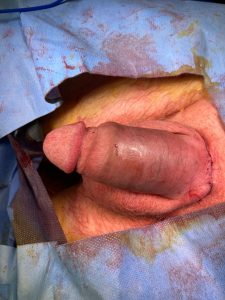
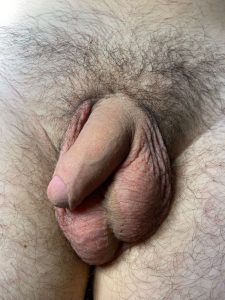
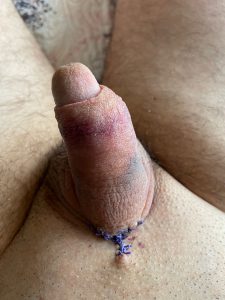
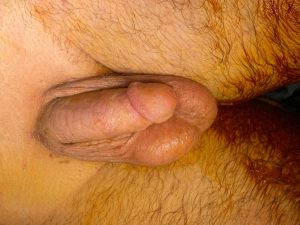
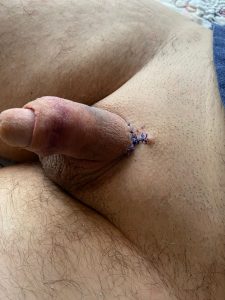
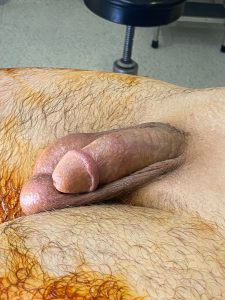
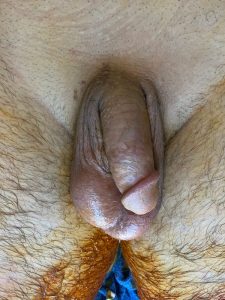


For girth augmentation, we use fat transfer, hialuronic acid, Radiesse or PMMA, Alloderm or Belladerm, and the latest autology tissue dermal fat graft, a procedure where we take fat with dermal graft from below the buttock area, finally we proceed to circumcision if the patient desires, procedure we do recommend.
PeniFlex™ implant is a very popular and completely permanent solution to penile enlargement.
All prices are listed in US Dollars
Prices are subject to change. Quotes are valid for 90 days, subject to current official USD/MXN exchange rate. If your surgery is not listed, please contact us for a custom quote.
While hospital costs and exchange rates inevitably fluctuate, we are dedicated to keeping our world-class care accessible. Dozens of patients have already locked in these current low prices for their future surgeries—ask us how you can secure yours today!
We also offer flexible financing options. US/Canadian and Mexican patients can finance up to 100% of their surgery and travel costs (subject to credit approval).


At the Mexico Transgender Center, we understand that choosing the right surgical approach for your transition is one of the most significant decisions you will make. Gender confirmation surgery is not one-size-fits-all. The optimal technique depends heavily on your anatomical starting point, your surgical goals, and your lifestyle considerations.
This comprehensive guide details the four primary surgical methods we utilize, outlining the procedural mechanics, advantages, limitations, and specific recovery protocols to help you make an informed decision.
A standard requirement for many inversion techniques globally is 12 to 18 months of painful and costly pre-operative electrolysis or laser hair removal to prevent internal hair growth. At the Mexico Transgender Center, we utilize a specialized surgical defolliculation approach in the operating room.
During your surgery, our skilled surgeons meticulously dissect the tissue flap and manually scrape away the subcutaneous fat and hair follicles from the dermis. This safely clears the tissue of active follicles, saving you thousands of dollars and months of delay.
Clinical Note: While highly effective, patients should be aware that dormant follicles (those not actively growing during surgery) can occasionally be missed, carrying a slight risk of minor future internal hair growth. Additionally, the scraping process requires precise thinning of the tissue, which our experienced surgeons carefully manage to preserve optimal blood supply.
The Penile Inversion method remains the “gold standard” in gender-affirming surgery globally due to its long history of reliability and excellent cosmetic outcomes.
The surgeon carefully dissects the penile skin and inverts it (turns it inside out) to form the lining of the newly created vaginal cavity, which is situated between the rectum and the bladder. The scrotal skin and urethral tissue are artfully repurposed to construct the external female genitalia, including the labia and a sensate clitoris.
Patients typically remain in the hospital for 2 days, returning home with a urinary catheter for approximately one week. A rigorous, lifelong dilation schedule is strictly required to prevent the canal from losing depth or closing.
This hybrid approach is utilized for patients who desire full penetrative depth but lack sufficient penile tissue—a common occurrence for patients who began hormone replacement therapy early or utilized puberty blockers.
To overcome the lack of penile skin, the surgeon harvests a section of scrotal skin. This tissue is thoroughly cleaned of fat and follicles (utilizing our surgical defolliculation method) and is sutured to the end of the inverted penile skin, acting as an extension tube. This elongated tissue complex is then positioned into the pelvic cavity to form a deep vaginal canal.
The hospital stay mirrors the standard inversion (2 days). However, postoperative dilation must be executed with extreme meticulousness. Skin grafts are naturally prone to contraction as they heal, so consistent dilation is paramount to ensure the graft adheres properly and maintains its full depth.
Vulvoplasty is an external-only procedure designed for patients who seek the aesthetic and functional external appearance of female genitalia but do not desire a vaginal canal for penetrative intercourse.
The surgeon removes the internal erectile tissues and utilizes the native penile and scrotal skin to sculpt a highly aesthetic clitoris, labia majora, labia minora, and female urethral opening. Crucially, no deep dissection is performed between the bladder and rectum, meaning no internal cavity is created.
Hospitalization is brief, usually 1 day. A catheter remains for about a week to protect the repositioned urethra. Recovery focuses entirely on external wound care and managing localized swelling, avoiding the deep pelvic pain associated with cavity creation.
This is a highly advanced, minimally invasive robotic technique that utilizes the body’s internal abdominal lining to create a superior vaginal canal.
Using a precision robotic surgical system (such as the Da Vinci robot) via small abdominal incisions, the surgeon accesses the peritoneum—the highly vascular, elastic membrane lining the abdominal cavity. This membrane is pulled down and attached to the pelvic floor to form the upper portion of the vagina. The lower entrance is typically lined with a specially prepared scrotal skin graft.
Hospitalization typically lasts 2 to 4 days. Initial recovery involves healing the small abdominal incisions used for the robotic arms. While the peritoneal lining is elastic and forgiving, a standard dilation protocol is still required to maintain the canal space and ensure the elasticity of the lower scrotal graft.
| Method | Vaginal Depth | Self-Lubrication | Dilation Required | Best Suited For |
|---|---|---|---|---|
| Penile Inversion | Dependent on native tissue | No | Yes (Lifelong) | Patients with adequate penile tissue seeking a proven method. |
| Inversion + Graft | Excellent (Extended) | No | Yes (Strictly) | Patients with minimal tissue seeking full penetrative depth. |
| Zero-Depth (Vulvoplasty) | None (External Only) | N/A | No | Patients prioritizing an easier recovery, no dilation, and external aesthetics. |
| Robotic Peritoneal | Excellent | Yes (Natural Mucosa) | Yes | Patients seeking natural lubrication or those needing revision surgery. |
The clitoral hood is a fold of skin that surrounds and protects the clitoris. It is vital not only in protecting the clitoris, but also in achieving pleasure during sexual arousal, this hood is constructed with the penile skin and the urethra mucosa to achieve this sensation.
Dr. Aguilar expertise is to preserve specific sensory nerve to provide excellent sensation and successful achievement of orgasm, the neo-clitoris is made from the dorsal part of glans pens, the most sensitive area of the glans and the preservation of the neurovascular bundle will ensure the sensation and achievement of orgasm guarantee.
The vulva is made from the ventral part of the penis when is inverted and a lining of the urethra mucosa, will provide lubrication and pleasure sensory, due to its pudendal innervation and the inner labia is normally pink in color and extends to the bottom of the vulva vestibule to become the posterior fourchette which is similar to the appearance of inner labia in biological women.
Dr. Aguilar do not depend on the inversion of the penile skin totally, the scrotal skin, will be remodeled and will create a natural shape of vaginal opening in vertical orientation for the best realistic look and function, this scrotal graft will provide a 6 to 8 inches depth vagina, allowing Dr. Aguilar to use part of the penile skin for the creation of the labia. The vaginal opening can also expand appropriately to accommodate pleasurable sexual intercourse and vaginal dilators in varied sizes.
The process of skin graft technique is delicate as the donor skin from scrotum and groin will be converted to be the intermediate thickness of skin graft which means the superficial part of dermal layer is preserved to maintain skin durability.
To ensure that the skin graft will be 100% hairless, the hair follicles of the scrotal skin will be cauterized, so if the patient did not got a proper laser hair treatment or Hydrolysis, Dr. Aguilar will take care of the hair follicles during the surgery.
Self-lubrication can be also expected by preservation of specific secretory glands around the urethral & vaginal opening, but Dr. Aguilar recommends lubricant for intercourse, for less vaginal discomfort.
The urethral orifice is set above the vaginal opening at the correct anatomical position to allow female pattern of urine flow, being Dr. Aguilar a reconstructive urologist, the urethra reconstruction is guarantee it won’t close, major complication seeing in plastic surgeons urethroplasty.
All spongiosum muscles around urethra are completely removed to prevent tissue engorgement during sexual arousal which can narrow the vaginal opening, create the sensation of cystocele or cause difficulty during sexual intercourse.
Our highly qualified surgical nurses will assist you after the operation, they will be with you 24/7 in the hospital at your bedside, after you are discharged they will come to visit your daily at the hotel and they will do their best to provide all necessary after care for you, it is our policy to provide only well-trained and specialized surgical nurses who know all the details of your surgery to closely monitor and take care of you during your recovery.
Upon discharge, we will provide you with all necessary oral medications including the detailed instruction on how to take the medications correctly, post-surgical garment to retain the vaginal package (Special Diaper), SRS certificates containing the original handwritten signatures of Dr. Aguilar and Letter of Postoperative Care Management.
For Penile Inversion SRS you will be required to purchase a set of dilators:
Sensitivity and orgasm are well achievable with all types of SRS as the nerves responsible for sensation are carefully preserved during the surgery.
Like with any surgical intervention, complications do happen but they are rather rare. Mainly, complications are related to vaginal canal, that may lose depth or even close up, if dilating regimen is not closely followed or done improperly. We have performed hundreds of SRS surgeries to date and are only aware of 2 patients who lost depth due to failure to dilate. Rectal injury is also a possible risk with certain patients.
Remember, after you leave hospital, it is your sole responsibility to closely stick to dilation regimen, to avoid closure of vaginal canal.
Note that none of these risks are present for cosmetic SRS, which does not involve creation of a vaginal canal or any dilating at all. More and more of our patients choose cosmetic SRS.
Yes, absolutely! Our doctors are available for private consultations via WhatsApp (up to 30 minutes per patient, Please see schedule and instructions on how to join).
IMPORTANT: All patients will also have a private consultation with our doctors one day before surgery.
Therapist letter is NOT required for nullification and zero depth vaginoplasty. At least one letter is needed for other types of MTF SRS.
In some cases we can help obtain the letter while you are already in Mexico, for patients coming from countries where obtaining such letter can be difficult.
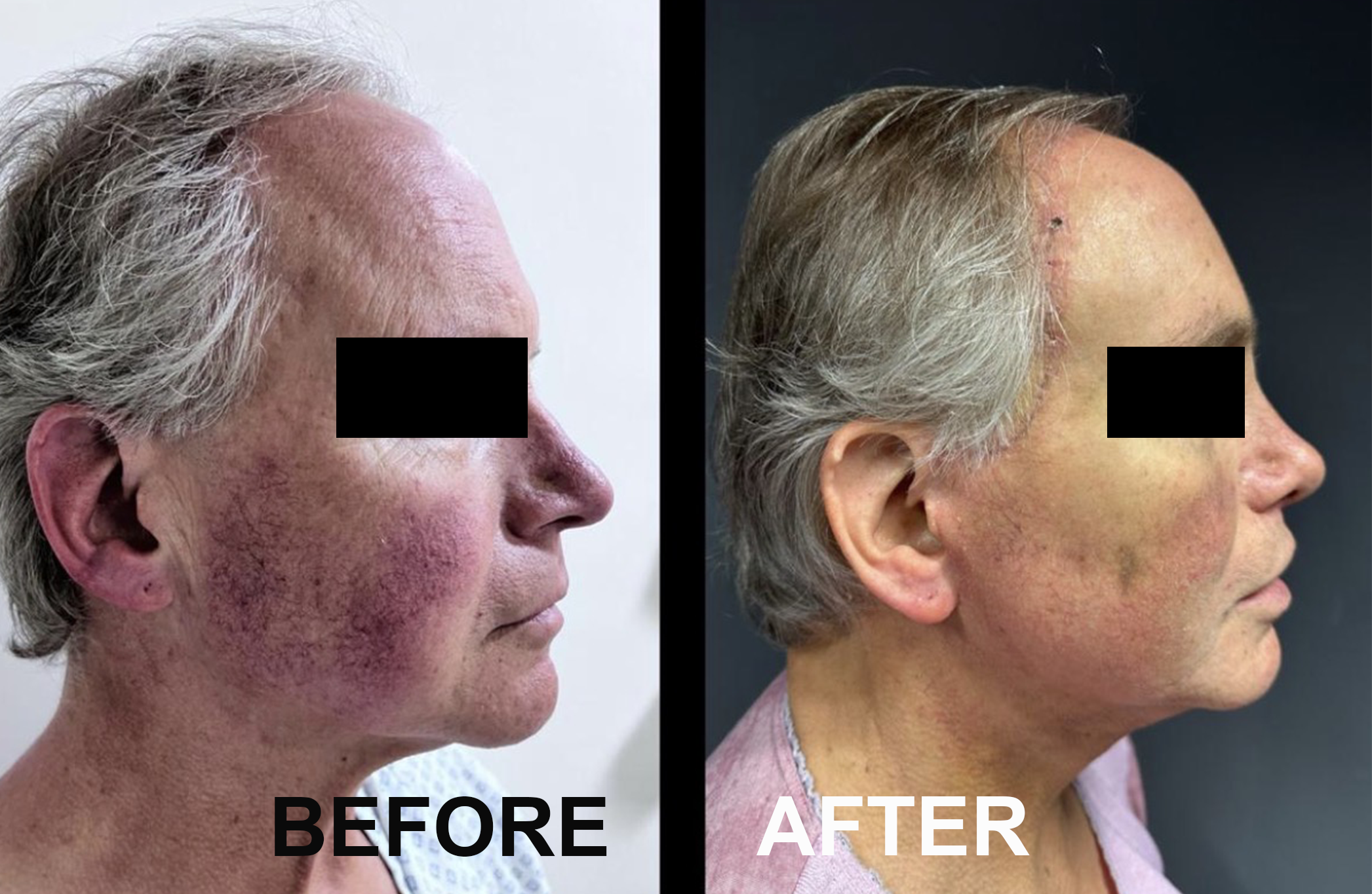
Dr. Mendez utilizes the 2 layer rhytidectomy which includes the combination of skin rejuvenation and also SMAS lift, this is a more reliable method of skin rejuvenation that mainly works by eliminating the saggy skin and creases and tightens the muscles and tissues underneath it to achieve a more youthful look and longer result compared with only traditional skin lifting procedure.
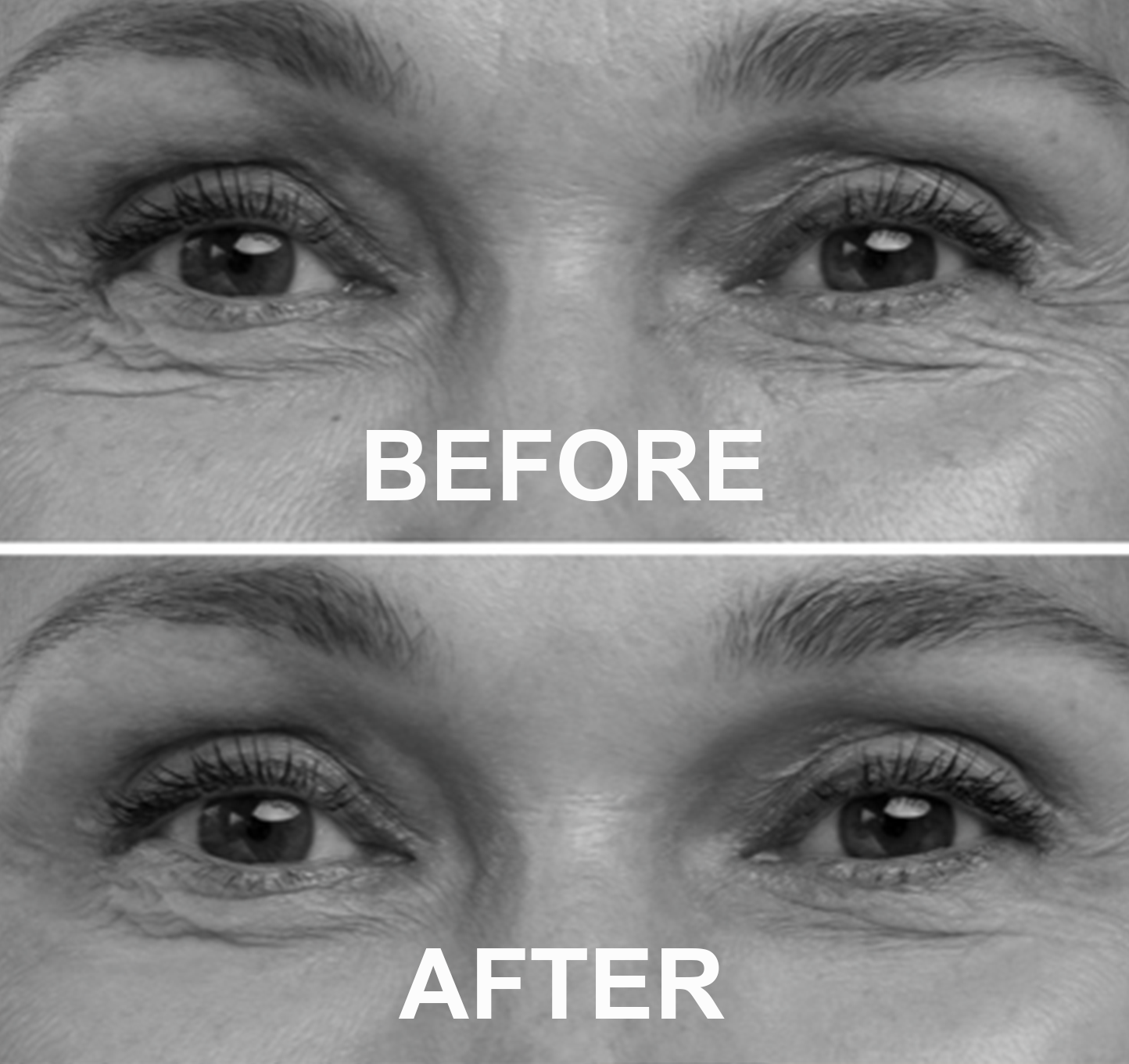
Upper and lower Blepharoplasty & Double eyelid surgery, which consist in the surgical removal of fats and excess skin on the upper and lower eyelid, is a procedure that can be done at the same time (for an extra cost). Apart from its aesthetic effect, the upper eyelid surgery is beneficial for older people who have droopy skin that interferes or blocks their vision. An attractive & natural fold with long lasting result will be achieved.
Surgery of the ear is a minor operation to correct the protruding ear by skin and/or cartilage reshaping. A linear incision made during the surgery will be well hidden and unnoticeable when viewed from the back to bring the ear closer to the head.
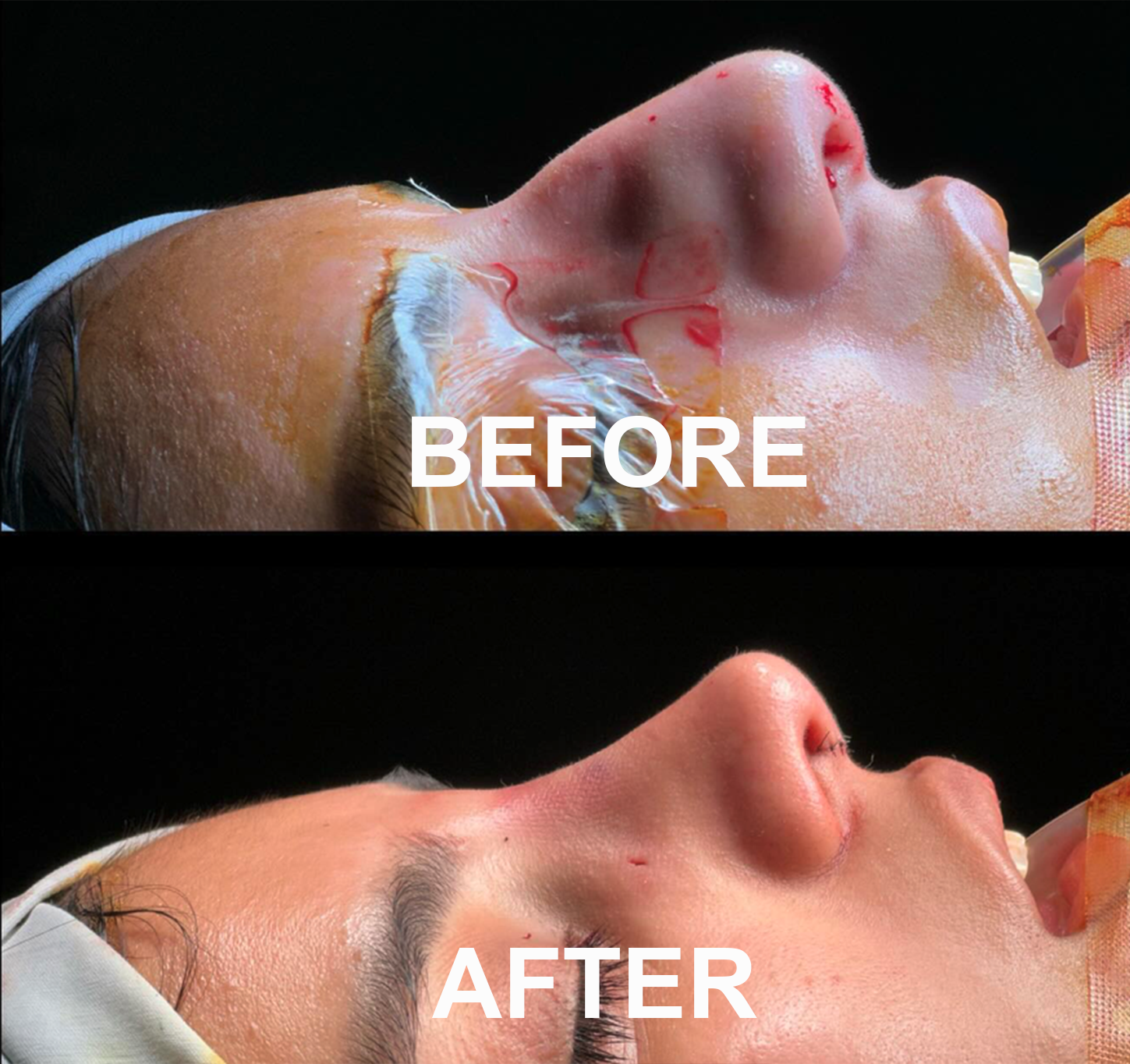
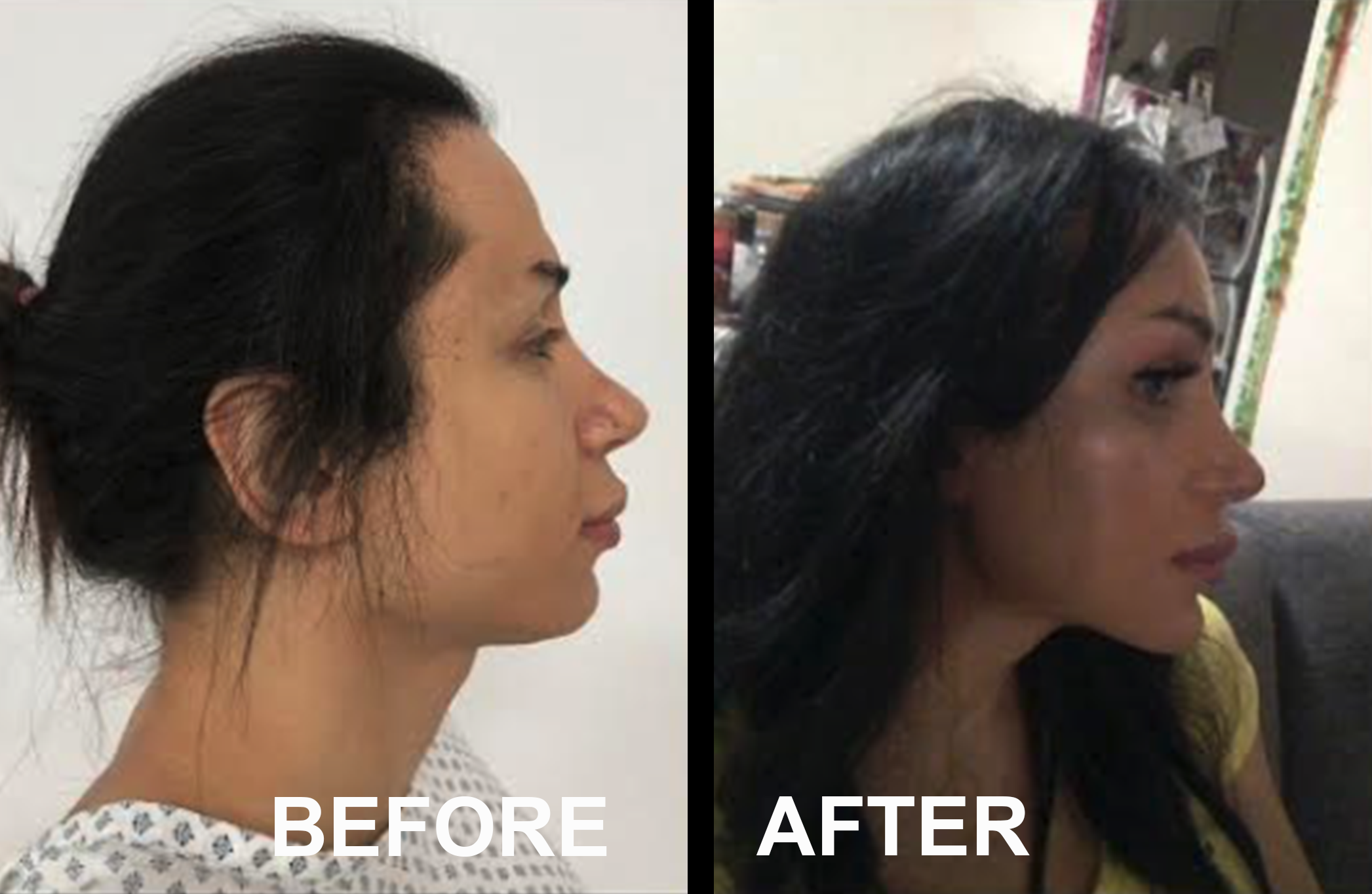
We offer various nose surgeries which includes feminizing, reshaping and reduction rhinoplasty depending on the individual’s need or preference. In many cases, the incisions are made via what’s referred to as a “closed rhinoplasty.” This means that the incisions are made on the inside of the nose with access via the nostrils. However, there are some cases where an “open rhinoplasty” is preferred in order to provide greater surgical access. In these cases, an incision is discreetly placed on the strip of skin which separates the two nostrils; we also recommend nose tip refinement or bulbous nose correction without bone reshaping.
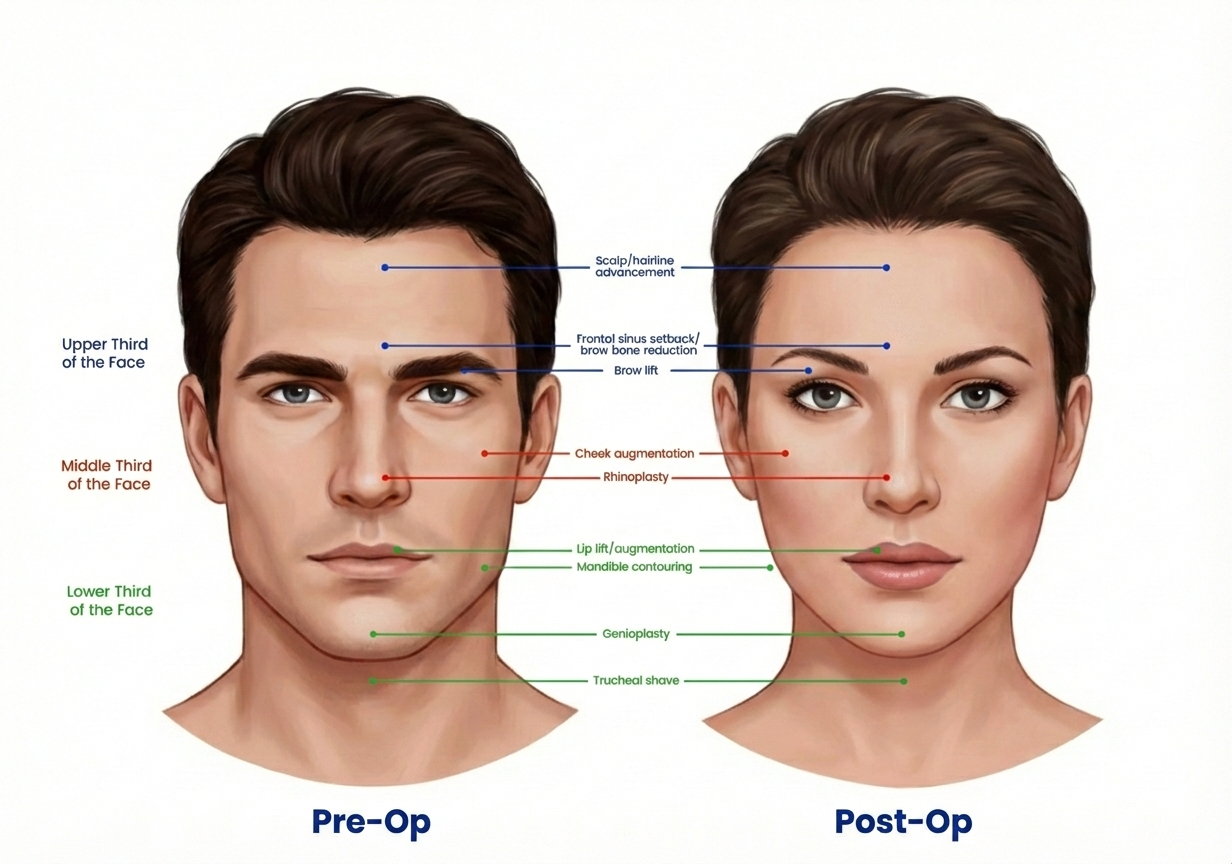
This procedure reduces the prominence of the supraorbital rim using the most common bone burring method. In men, the eyebrows are usually set lower than those of a woman. It is for this reason that many Facial Feminization patients undergo a brow lift, sometimes called a forehead lift, in order to raise the eyebrows to a more feminine level.
When performed reconstruction, this approach is more invasive but may be recommended in some cases. It involves the removal and remodeling of a portion of the forehead bone structure which is then put back in place. This bone reshaping method is not only recommended for feminization but it is also suitable for those men and women who are born with largely protruding brow bone structure. The degree of reduction will depend on the patient’s anticipated end-result.
With this procedure the zygomatic bones are being manipulated to restructure and reposition the protruding parts to narrow the middle part of the face to achieve a soft and feminine face profile that is appropriately proportional with the other parts of the face.
We can also recommend a cheek implant for those patients in which the cheekbone is flat, and we want to achieve a more prominent and feminine facial look. This procedure is intended to provide more volume and projection to the cheekbone and the area underneath the cheek bone to provide elegance to the mid-face area.
This procedure is suitable for both men and women who wish to achieve a narrower and a “V” shape face. Dr. Mendez’s technique is a one-line reduction carried out through an intra-oral approach so it does not create any incision or scar on the face.
This is also called “Adam’s apple reduction” and “Chondrolaryngoplasty” and it aims to reduce the size of the thyroid cartilage to achieve a feminine neck area.
Dr. Mendez performs chin implant surgery to enhance the projection of chin in order to attain a more proportionate upper and lower facial structure. This procedure can be done intra-orally either under local anesthesia for standalone procedure or general anesthesia if done together with jaw / chin contouring surgery or complete facial feminization.
The hairline is undoubtedly an area where the difference between the sexes is quite noticeable. Genetically born males typically have higher hairlines than do genetically born females. In addition, it is common for the male hairline to recede, especially in the areas just above the temples.
The hair advancement surgery is performed by an incision in the hair implantation area and the hairline is advanced towards the eyebrow. The incision will be concealed in the hairline for better aesthetic results. We can also perform Follicular Unit Extraction (FUE) Hair Transplant for our patients with substantial male pattern baldness.
The main goal for jaw surgery is to achieve the V shape of the face. The male jaw is a square area which provides a masculine and dominant face pattern; eliminating this area and bringing it into a V shape will provide a successful facial feminization. We usually recommend the chin implant in this surgery to enhance the V shape into a more feminine look.
Dr. Mendez performs a lip lift in order to reduce the distance between the bottom of the nose and the top lip. An incision is made under the nose and a portion of skin is removed in order to raise the lip up and shorten the area, to provide a more feminine look.
Yes, absolutely! Our doctors are available for private consultations via WhatsApp (up to 15–20 minutes per patient, Please see schedule and instructions on how to join).
IMPORTANT: All patients will also have a private consultation with our doctors one day before surgery.
We encourage you to be extremely detailed. FFS is highly individualized. During your consultation with our surgeons, bring reference photos and be highly specific about your goals for bone contouring (forehead, jaw, and chin). Our surgical team favors a natural, harmonious approach, but if you desire more aggressive contouring, this must be clearly communicated and agreed upon during your pre-op planning.
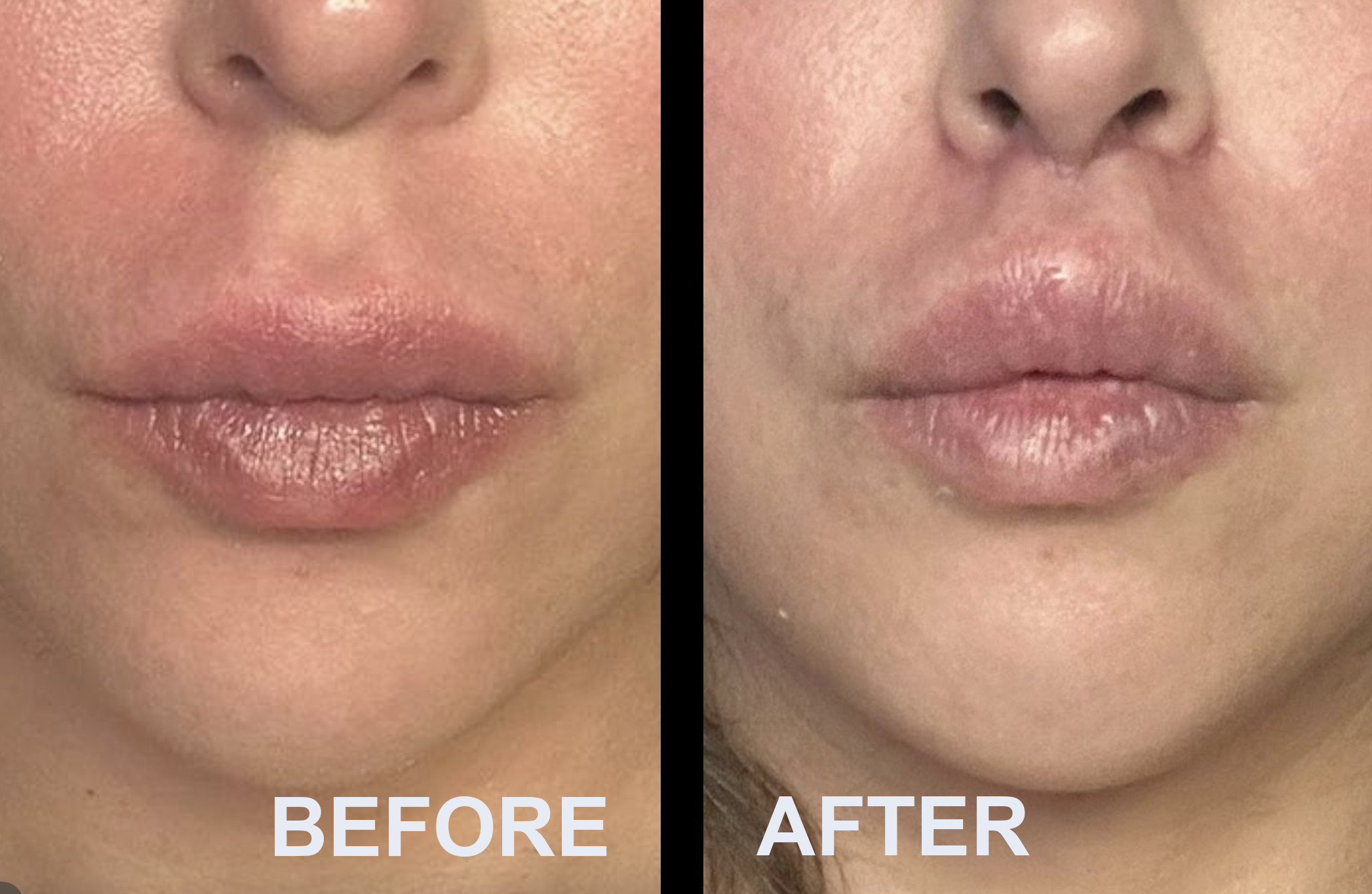
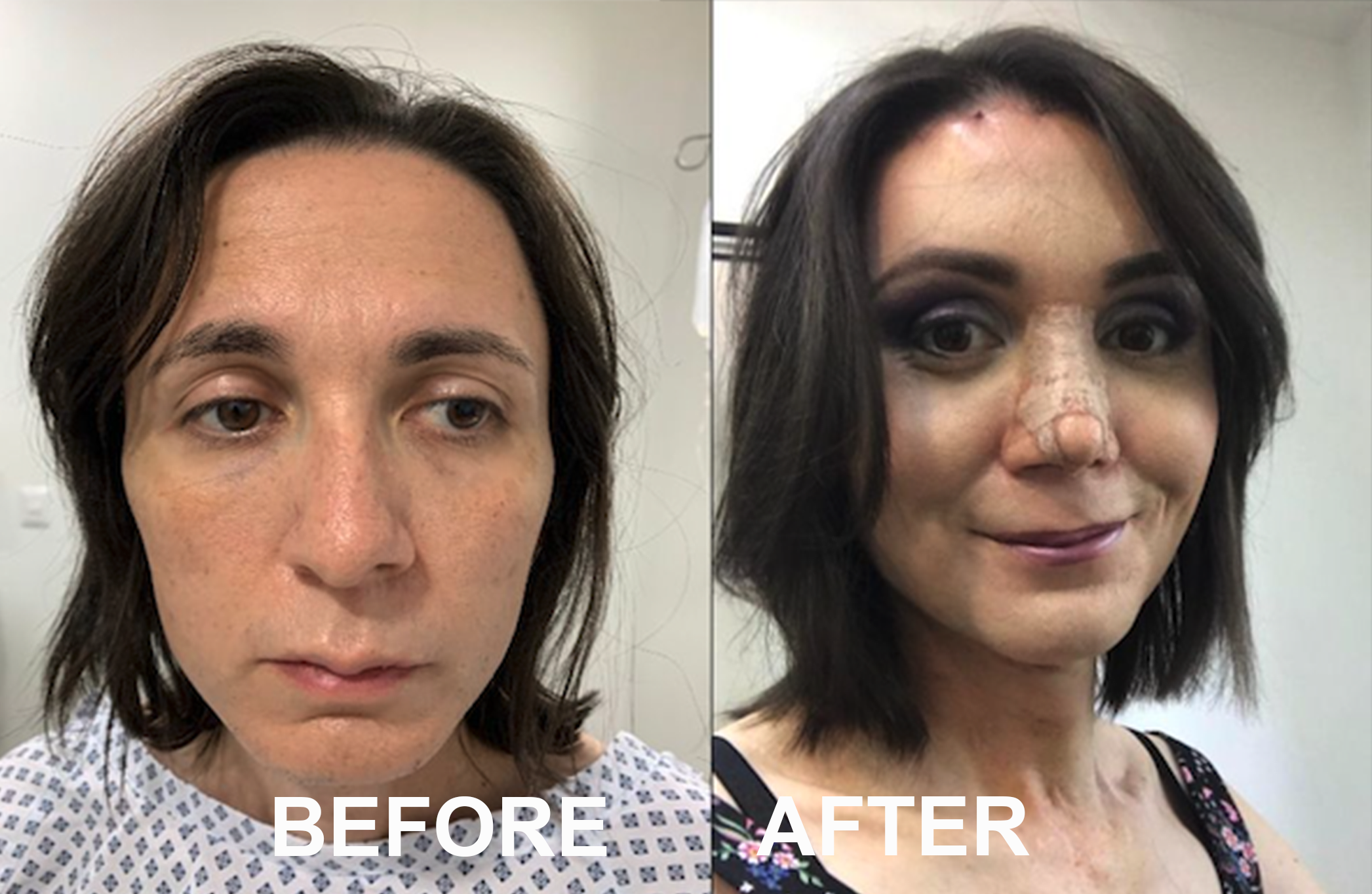
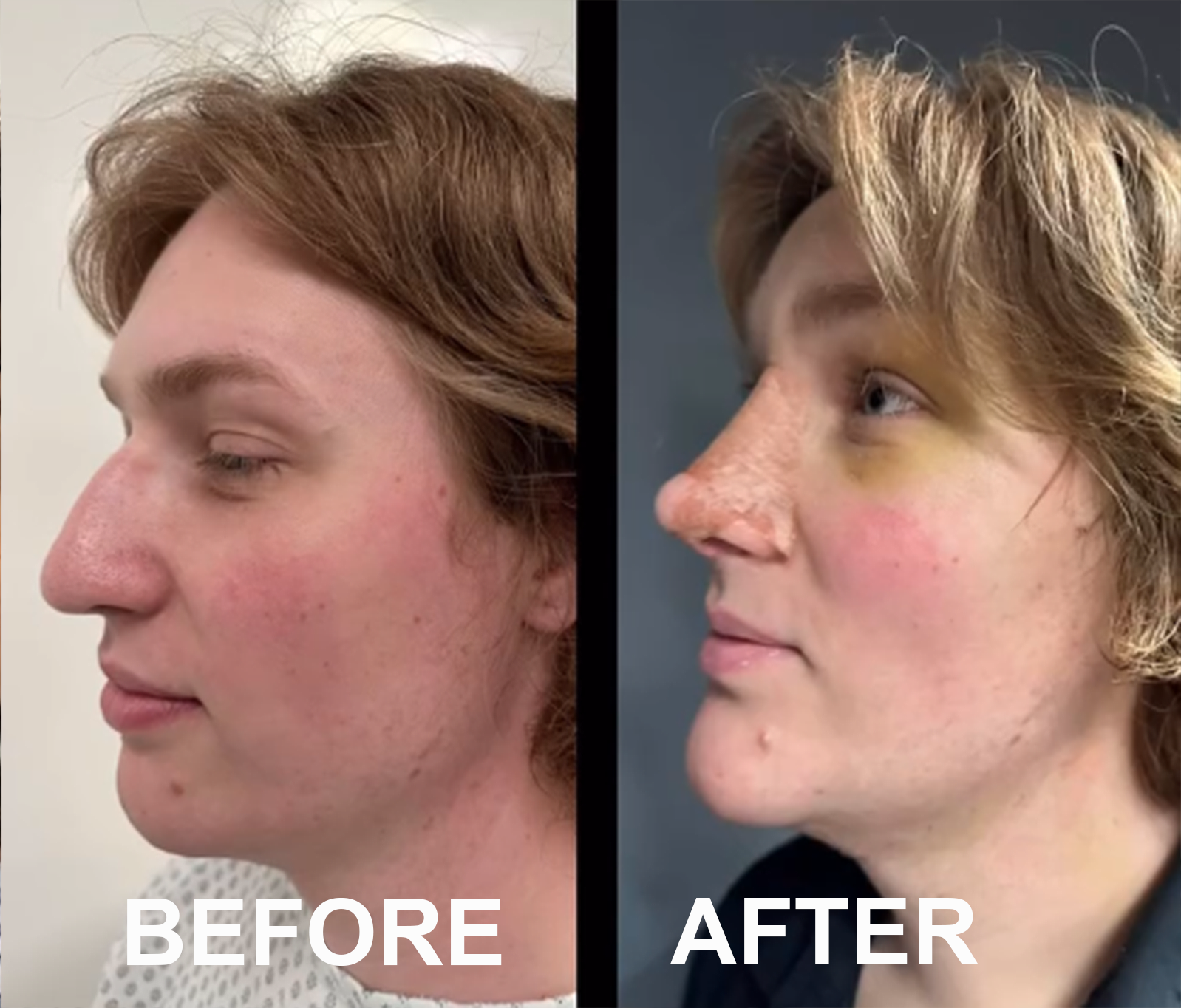
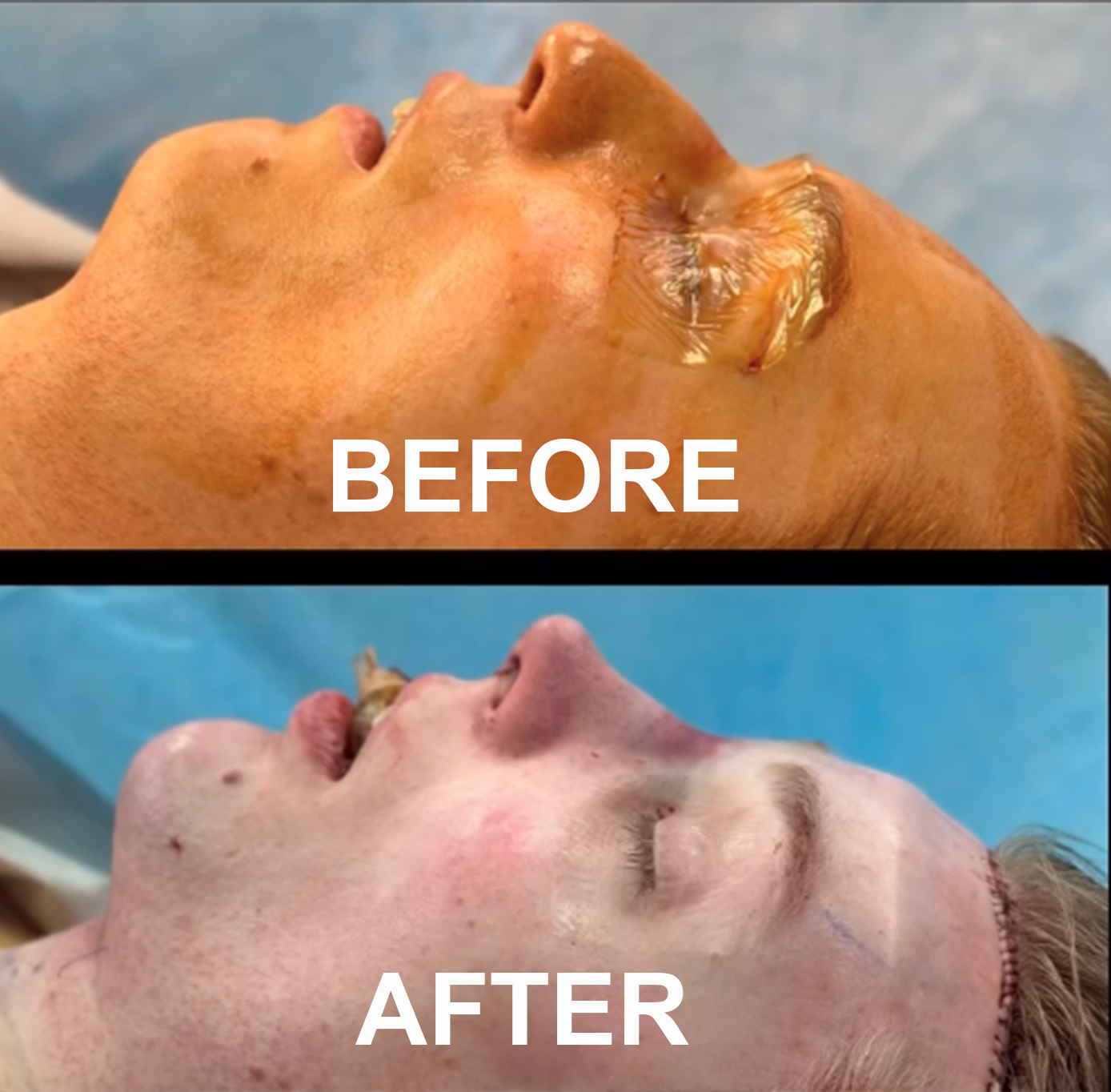

Liposuction slims and reshapes specific areas of the body by removing excess fat deposits and improving your body contours and proportion.
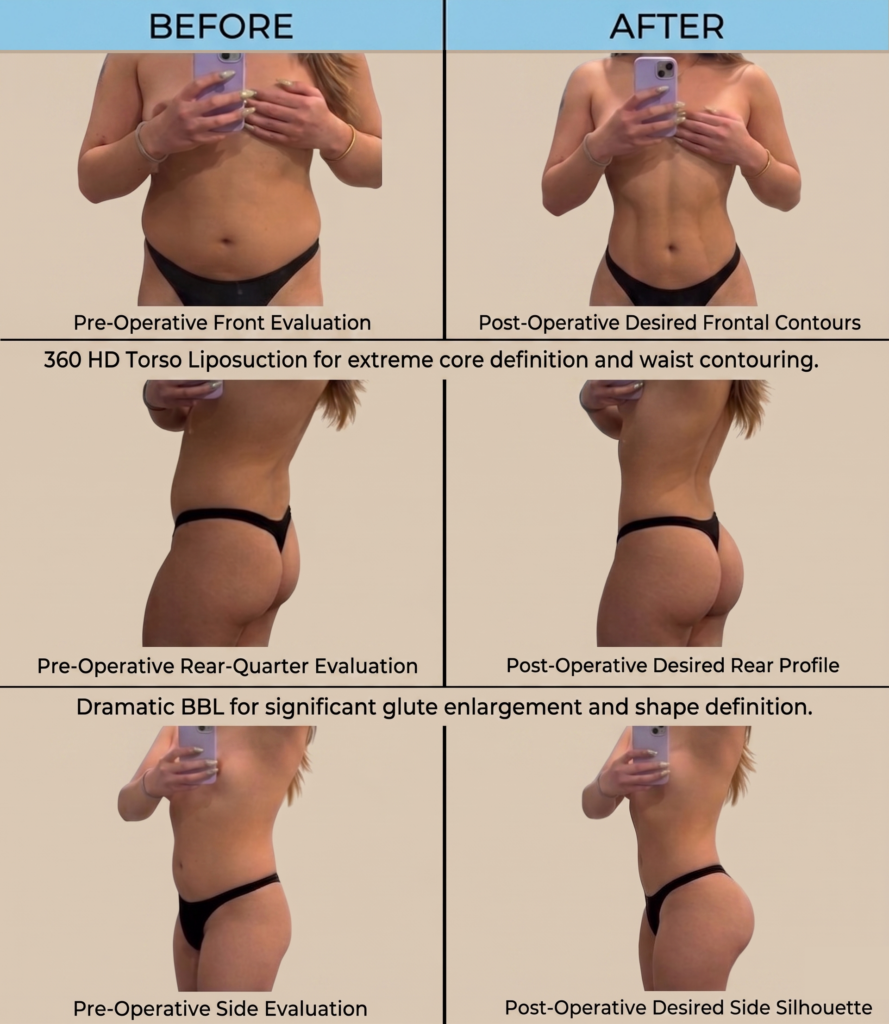
We also offer 360-degree high-def liposuction with Vaser and J-Plasma, a technique that yields the most dramatic results for body feminization. So, if you are seeking that hour-glass body shape, ask us today about the 360-degree high-def liposuction package. Rib narrowing surgery is also available for those seeking to make their waist more narrow and feminine!
Getting that narrow feminine waist has never been this affordable!
RibXcar is an advanced form of rib remodeling designed to enhance your natural waistline by reshaping specific ribs—without the need for removing full ribs. Unlike traditional liposuction, which only removes subcutaneous fat, RibXCar addresses the underlying skeletal framework by safely modifying the lower floating ribs (the 11th and 12th pairs).
Here’s what makes it different from traditional rib removal:
Many patients choose RibXcar as a standalone procedure, but it can also be the perfect add-on to a tummy tuck or 360-degree Lipo for an even more dramatic transformation.
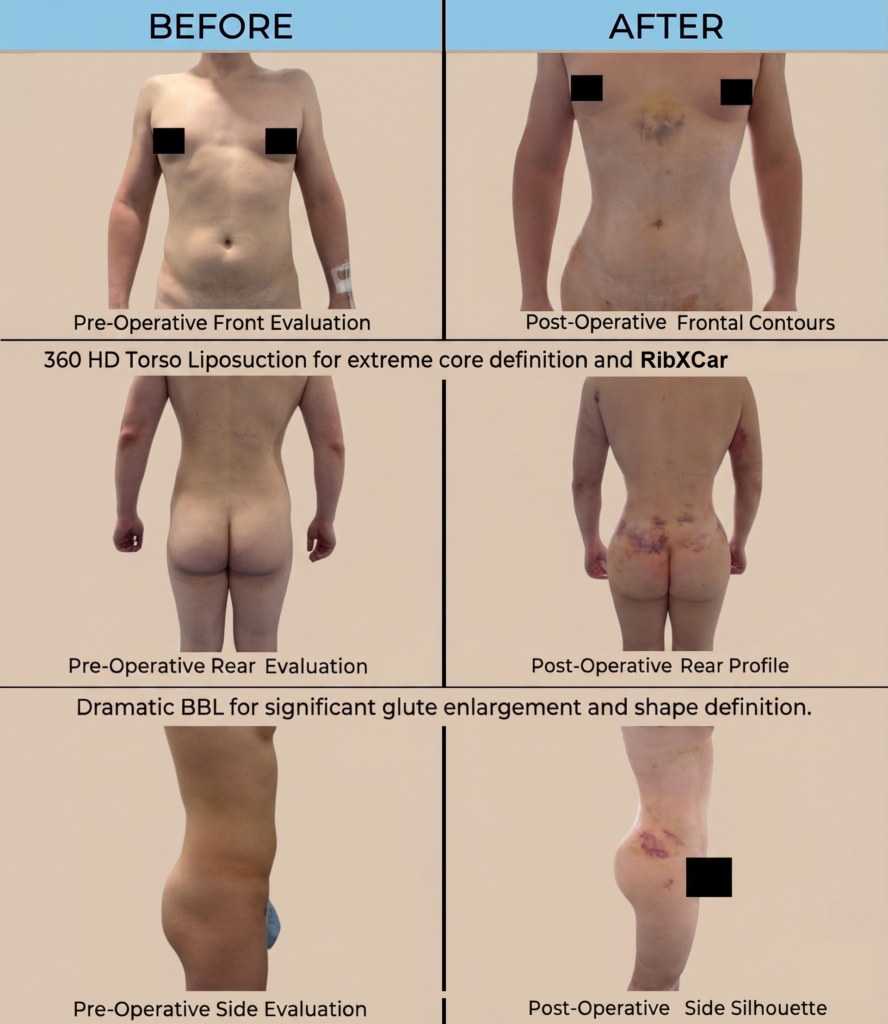
Understanding Your Options at the Mexico Transgender Center
When planning a transformative silhouette procedure at MTC, choosing the right surgical approach is key to achieving your ideal aesthetic goals. Below is a clear breakdown of how a standard contouring procedure compares to an advanced High-Definition (HD) upgrade.
This foundational approach combines traditional surgical techniques to reshape your physical framework and redistribute volume for a more feminine silhouette.
For patients seeking maximum precision, smoother contours, and aggressive skin tightening, advanced energy-based modalities can be seamlessly integrated into the core surgical plan.
Shrinking the underlying skeletal framework with RibXcar and removing fat leaves a sudden surplus of skin over a smaller surface area. While the standard procedure relies entirely on your natural skin elasticity and compression garments to shrink the tissue over time, the High-Definition Upgrade acts as an internal “shrink-wrap.”
By forcing the skin to snap back tightly against your new, smaller contours, the advanced upgrade minimizes the risk of looseness and ensures a firm, highly defined, and sculpted aesthetic result.
| Feature | Standard Contouring | High-Definition Upgrade |
|---|---|---|
| Liposuction Method | Manual / Tumescent | Vaser (Ultrasound-Assisted) |
| Skin Tightening | Relies on Natural Elasticity | J-Plasma / Renuvion Technology |
| Waist Remodeling | RibXcar Included | RibXcar Included |
| Post-Op Skin Result | Standard Contraction | Aggressive Shrink-Wrap Effect |
Tummy tuck surgery, also known as abdominoplasty, removes excess fat and skin and, in most cases, restores weakened or separated muscles creating an abdominal profile that is smoother and firmer.
Breast augmentation is the surgical placement of breast implants to increase fullness and improve symmetry of the breasts.
Also known as fat grafting or fat injection. A fat grafting procedure transfers fat from areas in which you have excess fat, such as the outer thighs, and injects it into areas that may be lacking in volume, such as your face, hands, breasts or buttocks. This safe, long-lasting, well-tolerated procedure produces natural-looking results. Every year, thousands of people undergo successful fat grafting and are pleased with the results.
The brazilian butt lift (BBL) is a type of butt augmentation procedure which results in youthful, prominent, perky buttocks and a more sensual body profile.
The surgical procedure uses your own fat, so it is the most natural way to augment your buttocks. Over the last few years, the buttocks have received more press coverage than ever before. People of all ages and body types are having the Brazilian Butt Lift procedure.
For those with insufficient fat deposits to qualify for brazilian butt lift (BBL), we offer anatomical gluteal implants. Unlike with BBL, where fat can eventually start moving around your body due to natural internal processes, implants produce beautiful permanent results.
The most common, high-quality, and COFEPRIS-approved implant brands used by board-certified plastic surgeons in Mexico include Silimed (Brazil), Sebbin (France), and Polytech (Germany).
Across these major brands, the largest standard catalog sizes typically max out between 500cc and 560cc.
For example, Sebbin’s biconvex gluteal line generally caps at around 530cc, and Polytech offers round/planar implants up to 560cc.
While less common, some manufacturers produce extra-large or custom-ordered gluteal implants that reach 712cc up to 800cc. These are generally the absolute maximum sizes produced globally for cosmetic augmentation. However, these are rarely kept in standard stock at Mexican clinics and usually require a special order.
Even if an 800cc implant is technically available to order, most specialized surgeons in Mexico will restrict the maximum size based on surgical safety and the patient’s anatomy:
Intramuscular Placement (The Gold Standard): Placing the implant inside the gluteus maximus muscle yields the safest and most natural-looking results with the lowest risk of shifting or visible edges. However, the muscle can only stretch so much without tearing or compressing the sciatic nerve. Because of this, the maximum volume that can safely fit inside the muscle is usually between 350cc and 450cc for most patients.
Going Bigger: Patients who demand implants larger than 450cc–500cc often do not have the muscular capacity to hold them. Attempting to place extra-large (600cc+) implants usually forces the surgeon to place them subfascial (above the muscle), which drastically increases the risk of complications, implant palpability (feeling the edges), and shifting over time.
For patients seeking extreme gluteal enlargement beyond the 500cc implant limit, we typically recommend a “Composite” or “Hybrid” Augmentation, which combines a safely sized intramuscular implant (e.g., 350cc – 400cc) with a large volume fat transfer (BBL) layered over the top to reach the desired projection.
Plastic and reconstructive surgery does carry some risk, like with any surgical intervention. Body feminization procedures are considered safe when performed by a Board Certified plastic surgeon. We operate at CHG Hospitales, a fully equipped and fully staffed private hospital. Rest assured that you are in good hands and that your safety is our top priority.
Brazilian Butt Lift (BBL) requires a patient to have sufficient fat deposits to be harvested and transferred into buttocks area. About 40% of harvested fat will be lost during purification process, therefore many patients may end up with not enough fat to be injected into buttocks area. For these patients, we recommend gluteal implants that will provide permanent and beautiful results. Our doctors will evaluate each specific case and make appropriate recommendations.
Recovery time will vary by procedure, from 1-2 weeks for breast augmentation to up to 2 months for gluteal implants and fat transfer.
Yes, absolutely! Our doctors are available for private consultations via WhatsApp (up to 15-20 minutes per patient, Please see schedule and instructions on how to join).
IMPORTANT: All patients will also have a private consultation with our doctors one day before surgery.
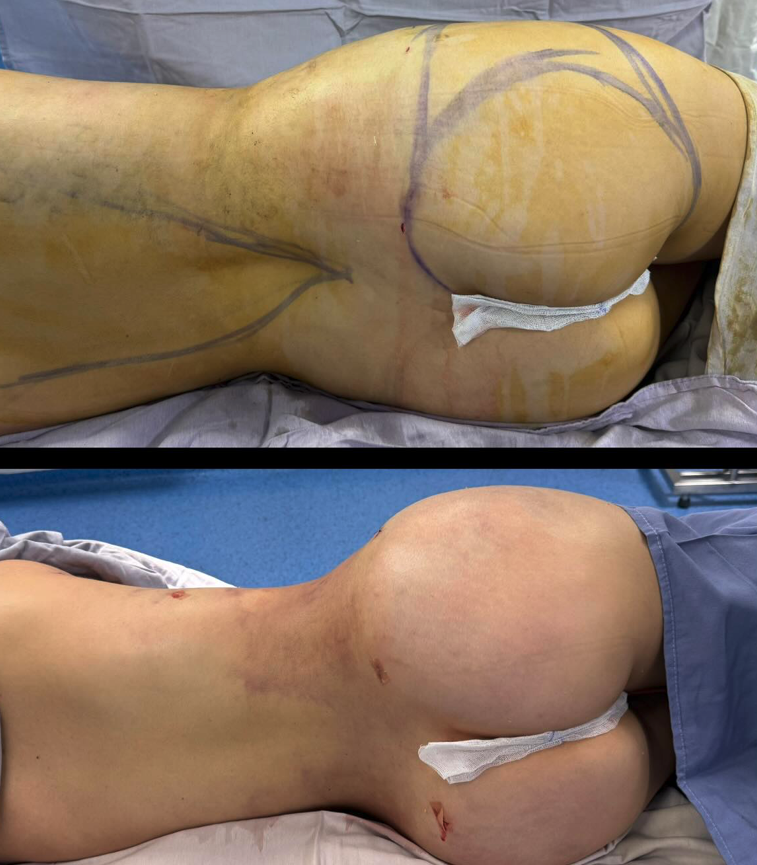
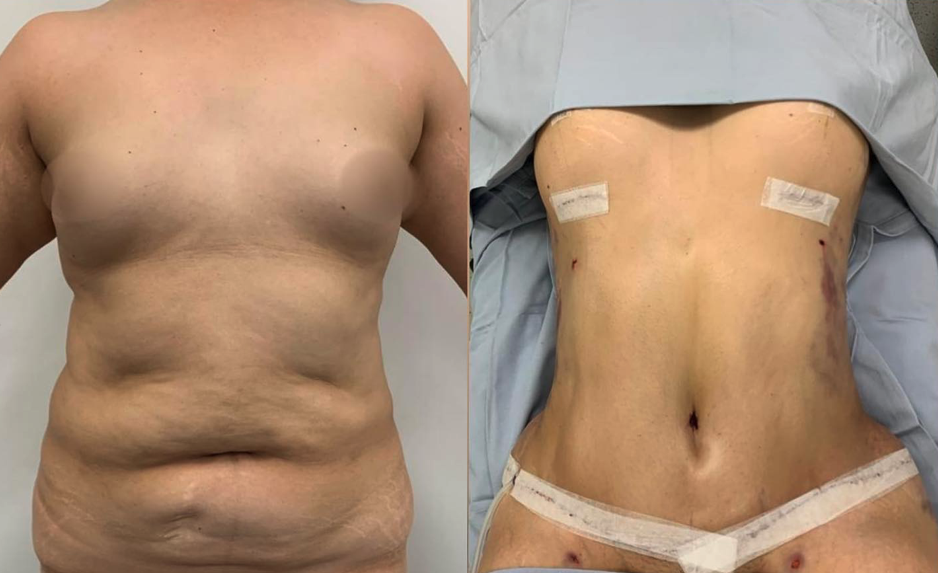
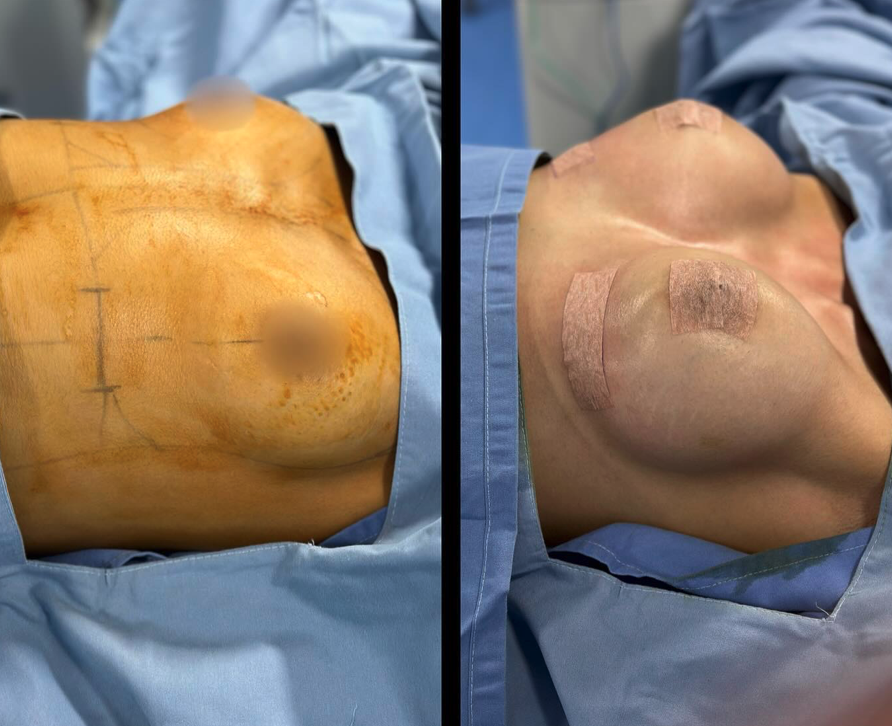
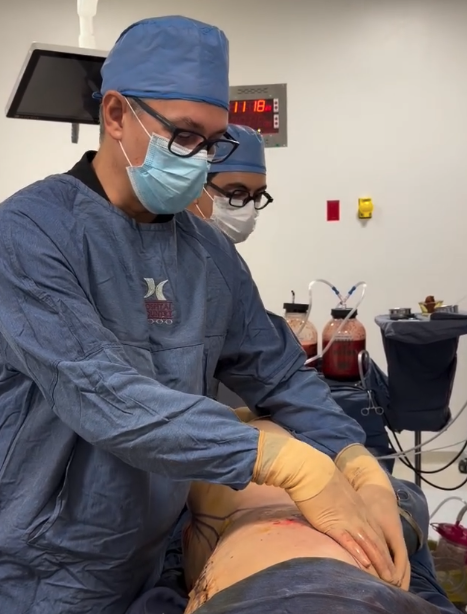

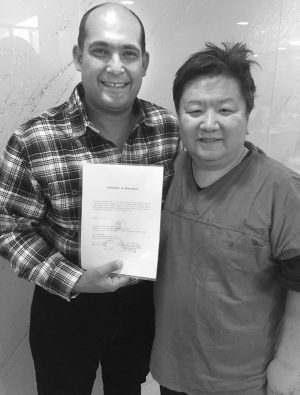
Mexico Transgender Center is the ultimate destination for Female-to-Male transgender community. Dr. Ivan Aguilar specializes in Conjoined Bilateral Pedicled Groin Flap Phalloplasty, also known as Kim FTM Phalloplasty.
At the Mexico Transgender Center, we understand that knowing exactly what happens during your procedure is vital for your peace of mind. A hysterectomy is the surgical removal of the uterus, but the specifics of what else is removed depend entirely on the type of procedure being performed.
Here is the breakdown of what is removed in each variation:
In this procedure, we remove the entire uterus and the cervix. This is the standard for most gender-affirming surgeries and many medical conditions.
In some cases, a patient may choose to keep the cervix.
This is typically performed in cases of cancer rather than gender-affirming care.
While a hysterectomy technically only refers to the uterus, it is very common to perform a Salpingo-Oophorectomy at the same time.
Note: If we remove your ovaries, your body will no longer produce estrogen or progesterone naturally, and you will enter surgical menopause. You will likely need to begin or adjust Hormone Replacement Therapy (HRT) immediately, as your primary source of natural hormone production is gone.
Unless there is a specific medical reason or a radical surgery is performed, we do not remove the vagina. The top of the vaginal canal is surgically closed (creating a “vaginal cuff”), and the canal itself remains intact.
If the cervix is removed, you no longer need routine Pap smears for cervical cancer screening.
Conjoined Bilateral Pedicled Groin Flap Phalloplasty, also known as Kim FTM Phalloplasty, is a 3-stage procedure that serves as a less expensive alternative to microsurgical phalloplasties utilizing conjoined bilateral pedicled groin flaps.
The final penis size depends on the patient but averages just over 4 inches long by 1.75 inches wide. Scars are easily concealed by underwear or a swimsuit. Patients can stand to urinate, and sexual intercourse with a partner is also possible. Erotic sensation and orgasm continue to be provided by the clitoris preserved at the base of the neophallus. Patients report tactile sensation in the bottom half of the penis.
Implantation of a malleable erectile prothesis is optional, but inflatable devices are not possible.
The procedure is named for its founder, Dr. Kim of Seoul, Korea. Dr. Kim studied extensively with Professor Sava Perovic MD PhD (now deceased), who was a critical figure in the advancement of FTM surgeries. Before Dr. Rados Djinovic joined the Sava Perovic Team, Dr. Kim was the surgeon who accompanied and supported Professor Perovic when he demonstrated FTM genital surgeries in other countries.
The Kim Phalloplasty is an excellent option that provides highly functional and aesthetic results. Because it is a more streamlined technique, it is typically about 35% more affordable than other phalloplasty methods (such as MLD or Radial Forearm), making it a great value without compromising quality.
Please note that for your safety and the best possible surgical outcome, your BMI must be under 32 to qualify for this procedure.
This is a three-stage procedure, uniquely sequenced to optimize your healing. Please note that each stage must be separated by at least three months.
To make your trip as stress-free as possible, we handle your local logistics:
It will take at least 6 months to complete all 3 stages of Conjoined Bilateral Pedicled Groin Flap Phalloplasty, also known as Kim FTM Phalloplasty. Please be prepared to allocate time for each stage and the recovery.
Yes, absolutely! Our doctors are available for private consultations via WhatsApp (up to 30 minutes per patient, Please see schedule and instructions on how to join).
IMPORTANT: All patients will also have a private consultation with our doctors one day before surgery.
This video showcases actual Kim phalloplasty results delivered by the surgical team of Dr. Ivan Aguilar and Dr. Carlos Mendez.
At Mexico Transgender Center, we specialize in Metoidioplasty (often called a “Meta”), a gender-affirming genital surgery for transmasculine and non-binary individuals. Our goal with this procedure is to create a functional, sensitive, and aesthetically masculine neophallus using your existing tissue.
Here is a detailed description of how we approach this procedure and what you can expect:
The foundation of a metoidioplasty is the clitoral growth achieved through Testosterone Replacement Therapy (TRT). Once significant growth has occurred (usually after 1–2 years of HRT), we use that tissue to create the neophallus.
Many of our patients prefer metoidioplasty over phalloplasty for several specific reasons:
At the Mexico Transgender Center, we work closely with you to tailor these surgical components to your specific goals and comfort level.